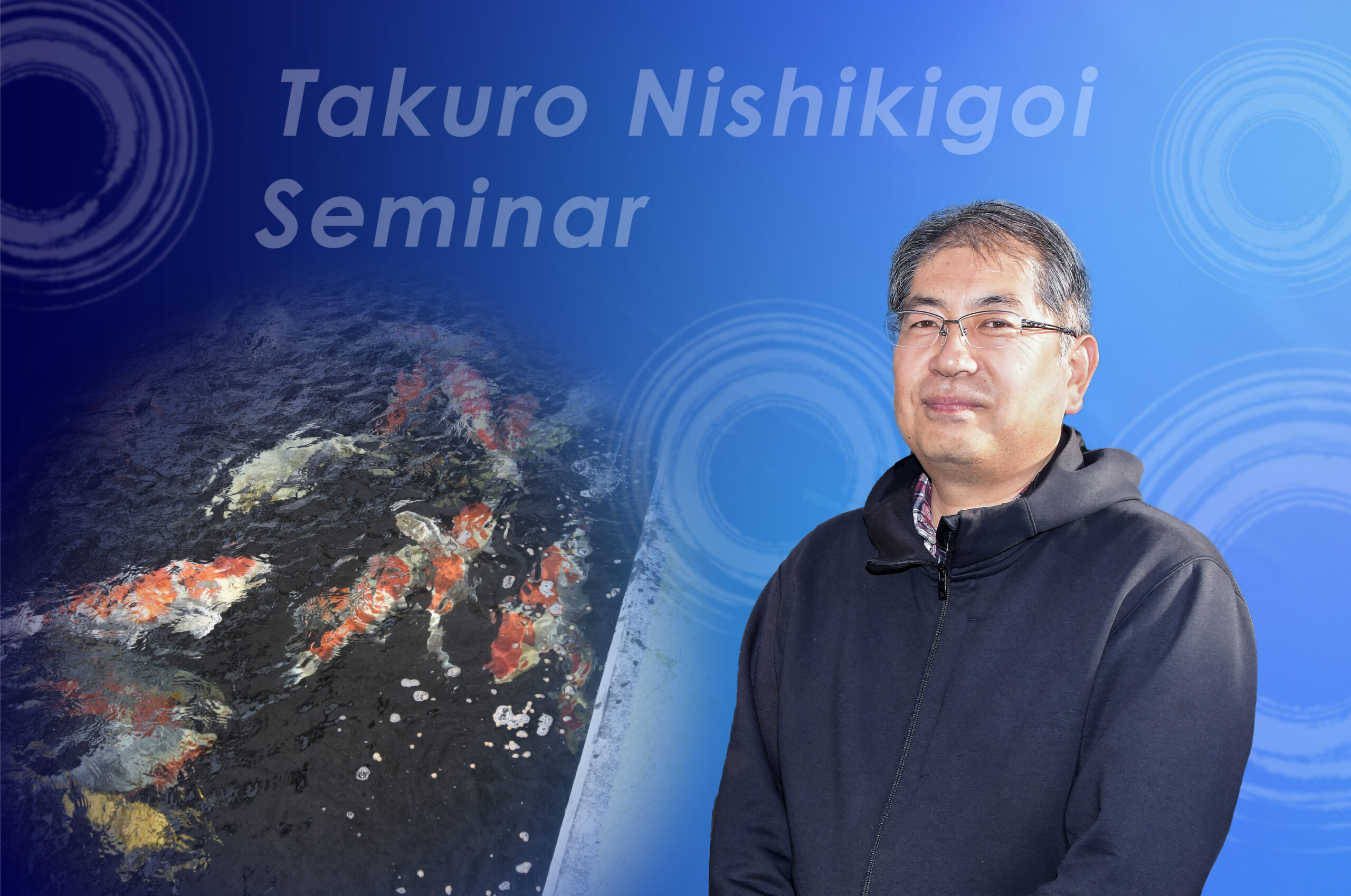
Takuro Nishikigoi Seminar: Equipment Edition/Lecturer: Takuro Ogiku (Yokohama Nishikigoi)
Building a Pond Without Mistakes (Part 1) — To Enjoy Your Nishikigoi for Years to Come
A popular series: the Nishikigoi Seminar by Takuro Ogiku (Yokohama Nishikigoi). In this instalment, focusing on equipment, he explains pond construction using real-life examples.
A ‘pond’ is essential for keeping Nishikigoi. Depending on your environment, objectives and budget, there is a wide range of options, from aquariums to large concrete ponds. Whilst keeping Nishikigoi is often described as a process of trial and error, it is best to avoid major pond renovations if at all possible. To avoid any regrets, let’s draw up a plan with the future in mind.
The theme for this instalment is ‘Building a Pond Without Mistakes’.
Whether you have a pond or an aquarium, I believe the true joy and fascination of keeping Nishikigoi are the same for everyone.
Firstly, there is the joy of feeding them. Secondly, there is the process of watching them grow into large, beautiful fish. Thirdly, there is the soothing effect of watching them swim gracefully. And fourthly, perhaps, there is the pleasure of collecting Koi—the element of collecting.
So, what conditions are necessary to achieve these goals? The most important thing is to create an environment free from disease. Next, the water must be clear so that the fish can be easily admired. And finally, there must be sufficient water volume to support the fish even as they grow to a large size. These are the three factors we need to take into account.
As is evident from the fact that many people have kept Koi for many years, this is not a superficial hobby that one might give up after a year or even half a year; it is a deeply rewarding pursuit. So, once you’ve built a pond, you’ll naturally want to enjoy it for as long as possible. Our oldest customer is 92 years old. Unlike dogs or cats, you don’t need to board your Koi at a pet hotel when you go on holiday, nor do they require walking, so I believe it’s a wonderful hobby that you can enjoy at home for a lifetime.
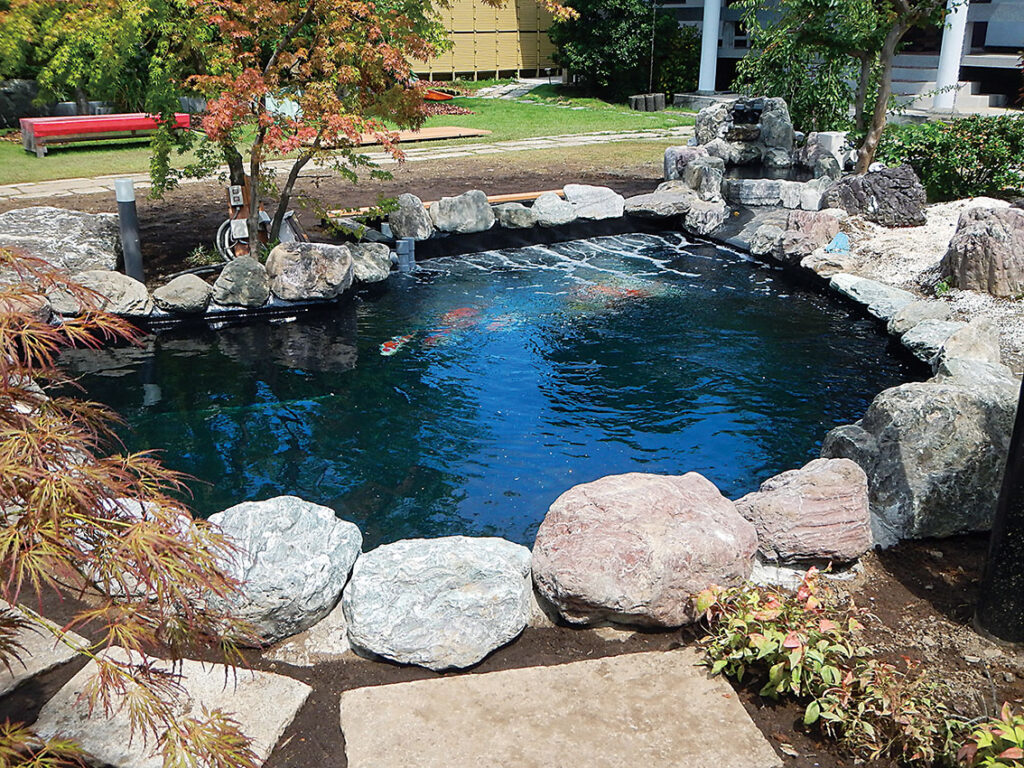
Another part of their appeal is the sheer variety of Koi available. Starting with the ‘Gosanke’—Kohaku, Sanke and Showa—there are also Utsuri, Hikarimono, Asagi, Shusui, Koromo, Goshiki and more… There are over 20 varieties in the Koi shows alone. As you collect your favourite varieties and your stock grows to dozens of fish, you’ll naturally find yourself needing—and wanting—a pond large enough to accommodate them.
Furthermore, Koi are known to be among the longest-living of all pets. They can live for over 50 years, and even if we consider only their lifespan as ornamental fish, they typically live for around 10 years; therefore, if you prepare a suitable tank accordingly, you can enjoy them for a long time. For this reason, ‘building a pond without mistakes’ becomes crucial.
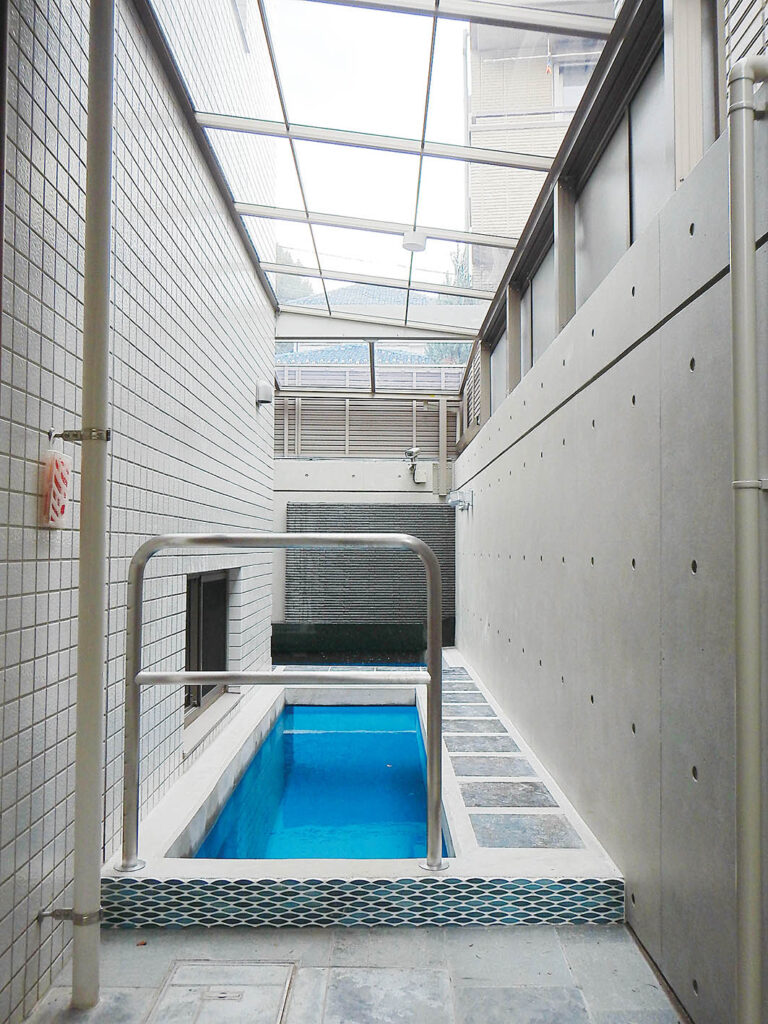
Bearing all of the above in mind, how might one enjoy keeping Koi? … For instance, if you have space constraints in your garden, or if you live in a flat, I imagine many people set up a tank on their balcony. In such cases, there is a way of enjoying them known as ‘Shimegai’, where you keep them relatively small. Alternatively, if you have a pond of a certain size, you can practise ‘Tategoi’, a hobby where the fish’s charm is revealed as they grow larger year by year. There is also the pleasure of showcasing your koi at a Koi show once they have reached maturity.
Next, let us consider three key points: location, budget and maintenance. It is often said that it takes three attempts to build the ideal home; the same applies to ponds. Once you have built one, you may find yourself thinking, ‘I should have done this’ or ‘I should have done that’. Quite a few people start with a small pond, only to regret later that they should have built a slightly larger one once their Koi have grown. However, as with houses, building a pond involves considerable costs, so I believe everyone’s true feeling is that it’s best to create a pond that satisfies you from the very first attempt. Of course, one cannot spend what one does not have, so it is important to consider each client’s budget and site conditions and create the best possible pond within those constraints.
When it comes to the budget for building a pond, I often tell clients: ‘Please be prepared to forgo the purchase of a new car.’ Car prices vary widely, from new kei cars to luxury imported models. Similarly, whilst it is possible to build a pond on a modest budget, the more you invest, the better the result will be. I use the example of a car as a point of reference.