The 42nd All Japan Young Koi Show
Dainichi Koi Farm Wins by a Single Vote, Claiming the Title for the First Time in 20 Years
KOI-UMEDA JAPAN Captures Its First Major Title
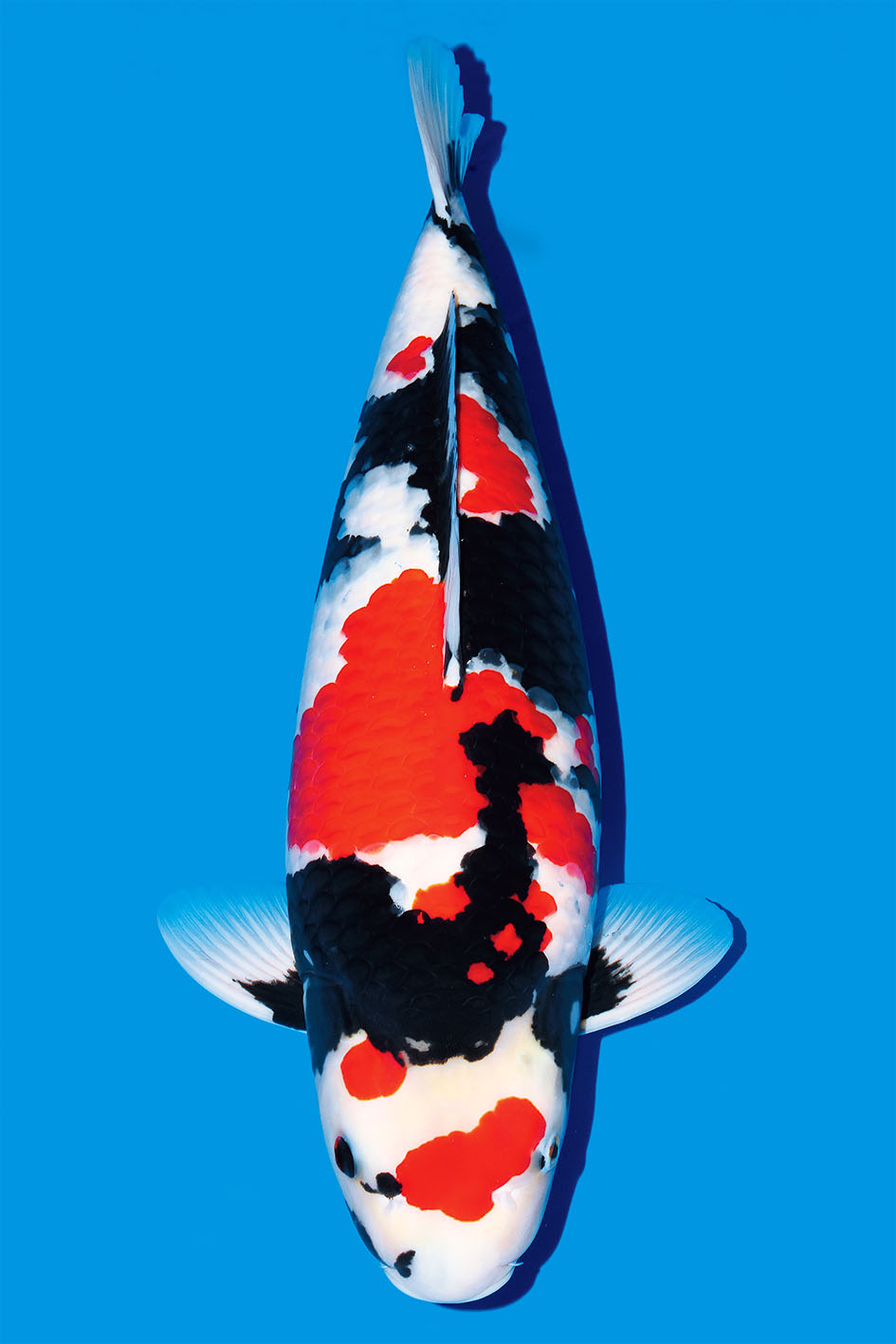
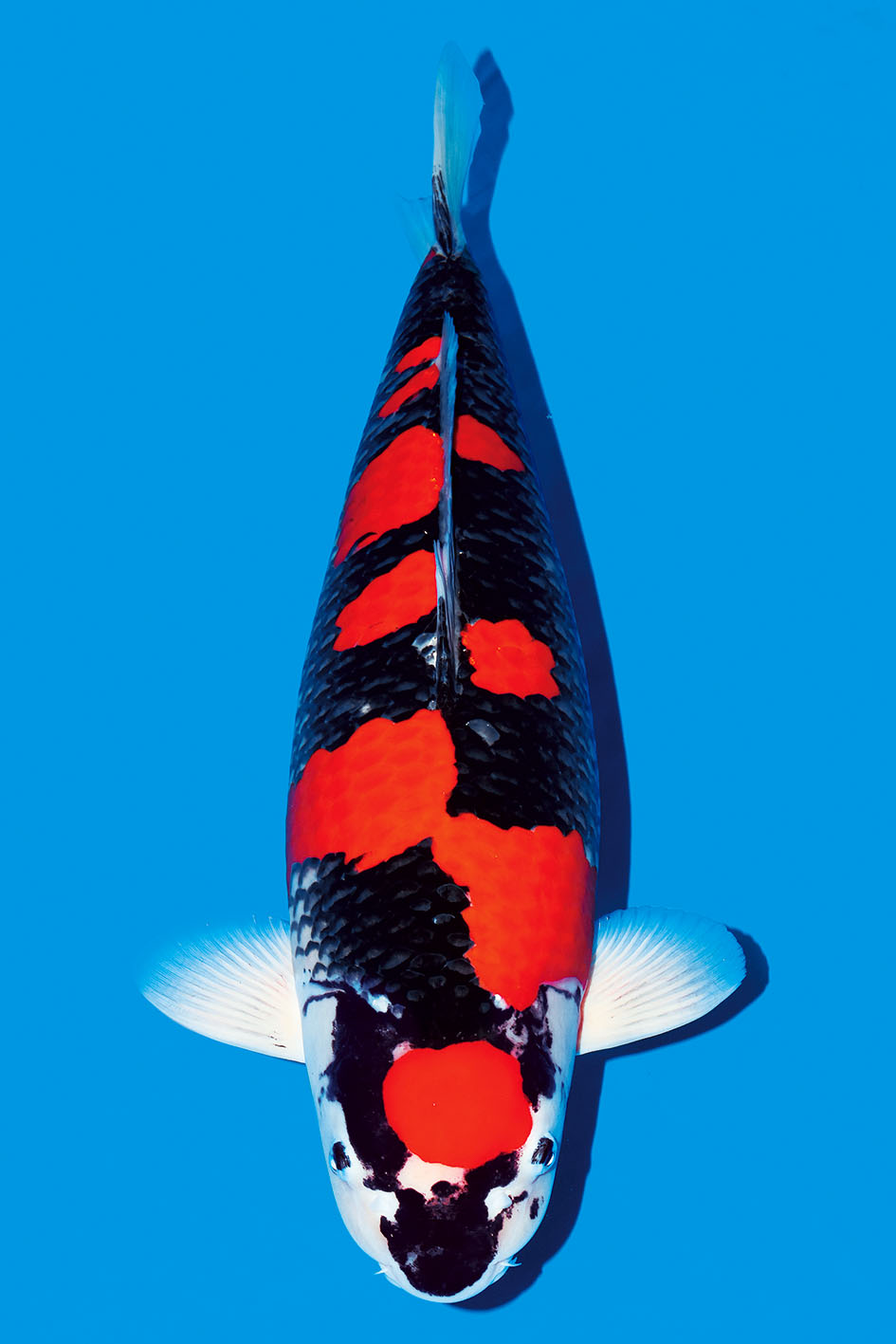
63bu Male Showa Sanshoku / Arthur Kai (Indonesia)
Breeder / Dainichi Koi Farm Handler / KOI-UMEDA JAPAN
Dealer / Japan Direct Koi Center
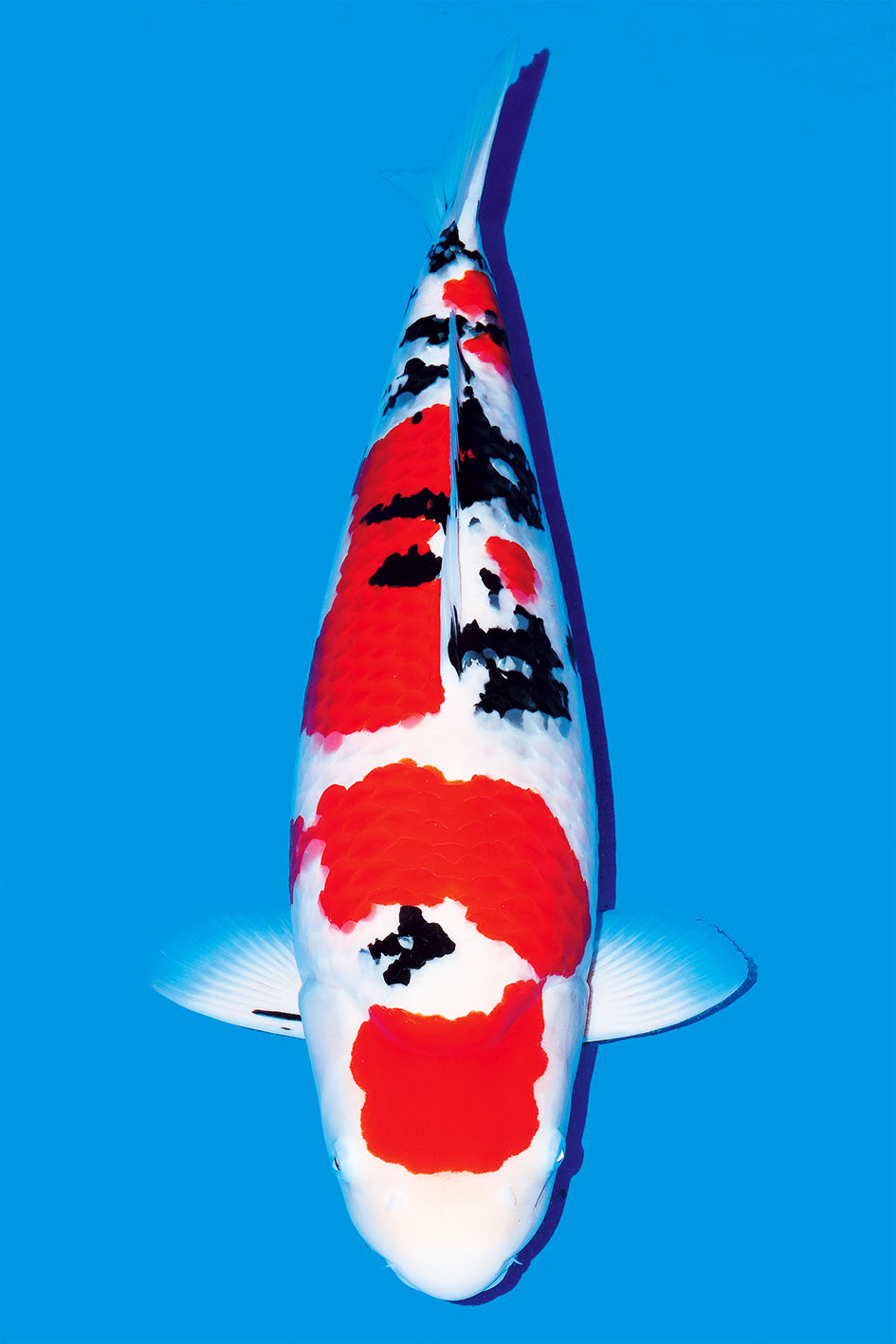
63bu Taisho Sanshoku / Benedict Campos (Philippines)
Breeder / Sakai Fish Farm Handler / Narita Koi Farm
Dealer / Tategoi House
63-bu Goshiki / Herbert Fritch (USA)
Breeder / Kanno Koi Farm Handler / Narita Koi Farm
Dealer / Grand Koi LLC
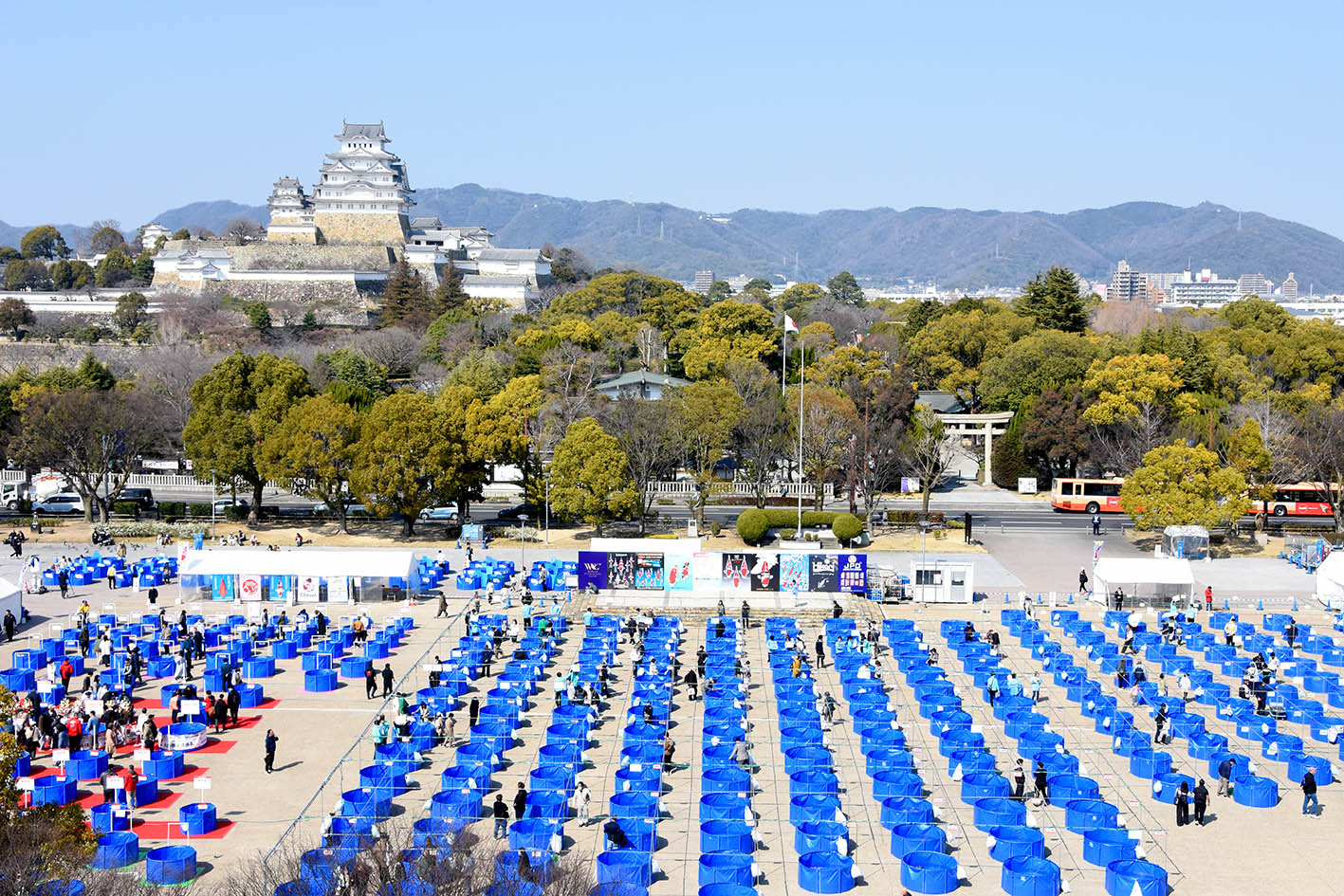
The event was held on March 21, and March 22, at Otemae Park in Himeji City, Hyogo Prefecture. A total of 1,586 koi were entered, a decrease of 165 from the previous event. Breaking it down, Japan saw a reduction of 122 entries, and overseas entries fell by 43. Although the usage fee for open pools for bagged koi (12bu to 43bu) and the pool entry fee for koi in the 48bu to 63bu categories were increased this time, the rise was only about 10%, and the impact was likely minimal. At national-level shows, fluctuations of over 100 entries from the previous year are not uncommon, so this may be a temporary decline. Nevertheless, efforts to create a more appealing show that encourages participation will become increasingly necessary in the future.
A total of 22 countries and regions outside Japan participated. The United Kingdom had the highest number of entries with 176, followed by the United States (174) and Indonesia (137). These three countries accounted for nearly 60% of all overseas entries. Overseas participants had won the last three consecutive shows, and given the results of the All Japan Show this past January, the trend was expected to continue. Judging began at 9:00 a.m. on March 21.
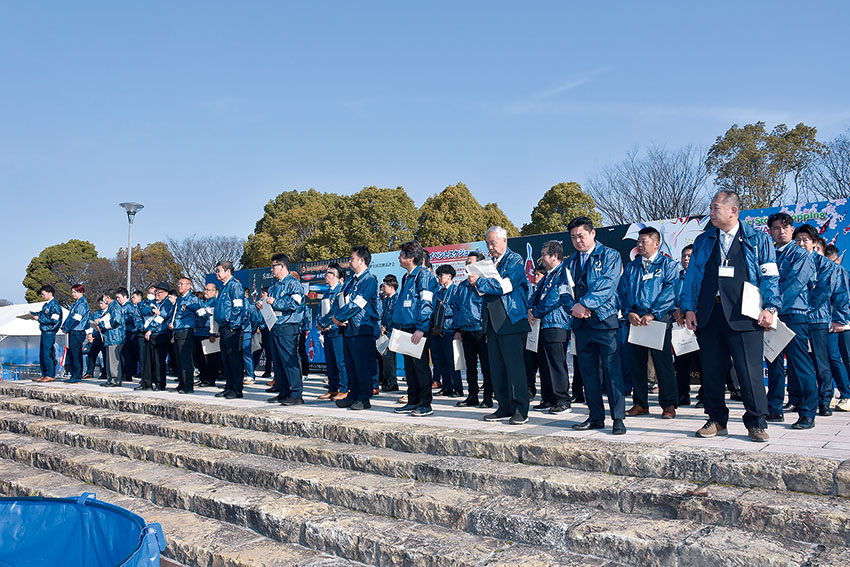
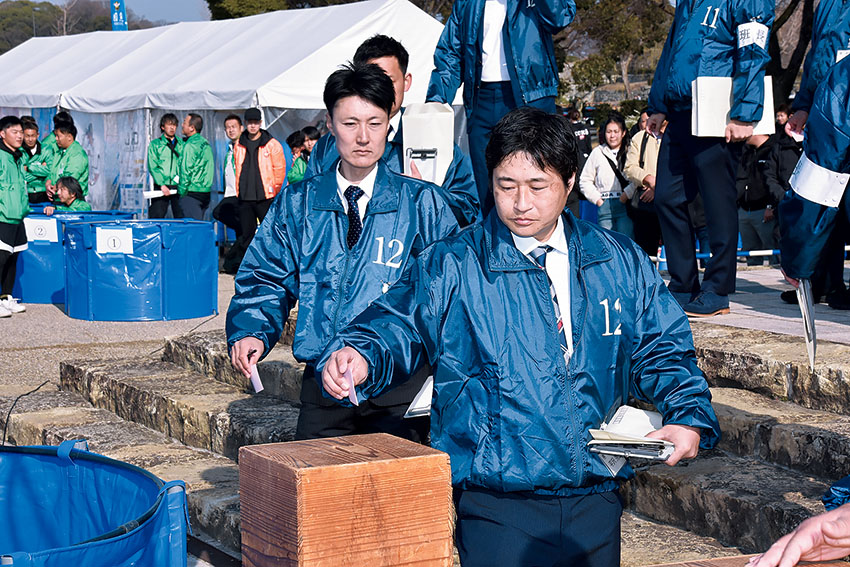
With Honorary Advisor to the Promotion Association, Joji Konishi, serving as Judging Chairman, the judging was carried out in the usual format of 5 judges × 12 teams, for a total of 61 judges, who proceeded to vote for the Grand Champion. The result: entry number 2125, a 63bu Taisho Sanshoku, received the highest number of votes with 18. Entry number 1026, a 63bu male Showa Sanshoku, received 15 votes; entry number 1995, a 63bu Kohaku, and entry number 2022, a 63bu male Kohaku, each received 7 votes. Since no koi secured a majority, these four advanced to a second round of voting.
In the second round, the male Showa Sanshoku received 25 votes, staging a comeback. The Taisho Sanshoku followed closely with 22 votes. The Kohaku received 12 votes, and the male Kohaku received 1 vote. Again, no koi achieved a majority, so a final runoff vote was held between the top two koi.
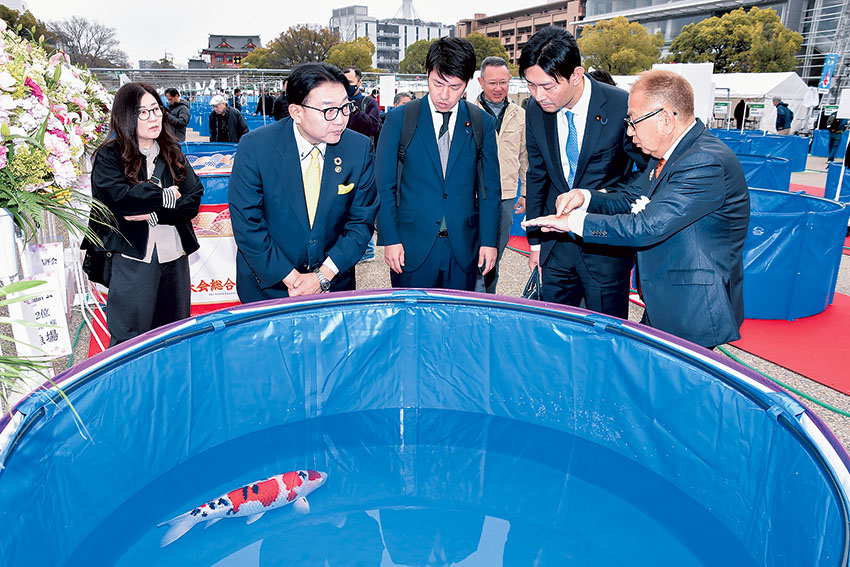
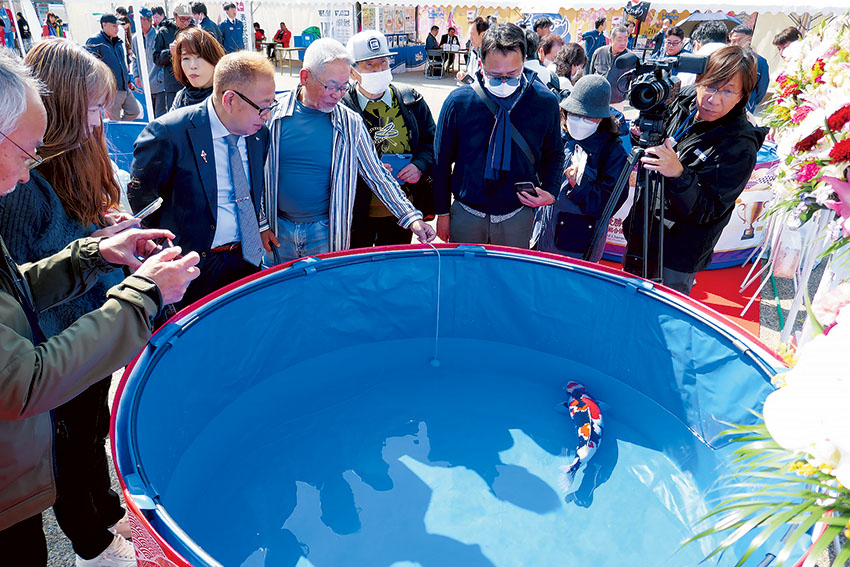
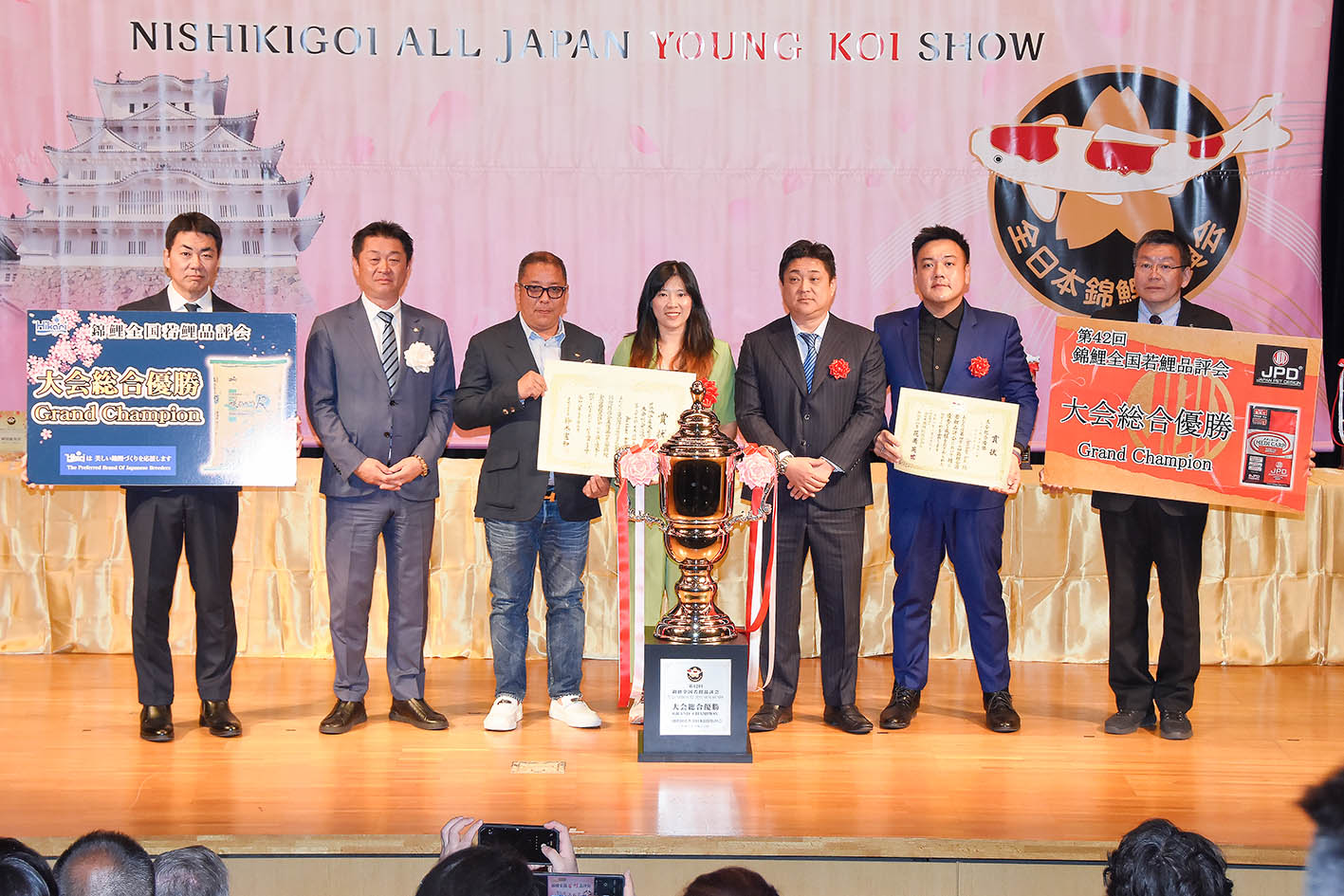
The vote counting proceeded under the tense watch of all the judges. After careful verification, the show officials made the much-anticipated announcement: “The Grand Champion is the 63bu male Showa Sanshoku.” After a close contest, the Showa Sanshoku that stood at the top by just a single vote was entered by Mr. Arthur Kai of Indonesia. This was his first Grand Champion title at this show, and he was the first Indonesian to win since Hernando Yuwono in 2016. The koi was a 2-year-old male, 62 cm, produced by Dainichi Koi Farm and handled by KOI-UMEDA JAPAN
Given Dainichi Koi Farm’s track record at national shows, this result may seem surprising. It marks the farm’s first win at this show in 20 years, since the 24th show in 2006. It clearly demonstrates how difficult it is to finish a 2-year-old or 3-year-old koi at the 63cm size in peak condition. On the other hand, this event can also be seen as an opportunity to once again recognize the high level of rearing skill possessed by Sakai Fish Farm and Narita Koi Farm which have an impressive winning record at this Young Koi Show.
The runner-up Taisho Sanshoku was produced by Sakai Fish Farm and entered by Mr. Benedict Campos. It was a frustrating result for Sakai, as they missed the title by a single vote for the second consecutive year. The runner-up koi, however, did receive a majority of votes in the first round for the second-place Grand Champion position.
The Grand Champion B prize, which is selected from varieties other than the Gosanke, was won by a 63bu Goshiki entered by Mr. Herbert Fritch of the United States, which received 38 votes in the first round. The producer, Kanno Koi Farm, has in recent years achieved top placings at national shows with varieties other than Goshiki as well. However, this time, they swept major awards with Goshiki, including the Sakura Grand Prize and the Grand Champion of the Young Koi division, demonstrating the strength of this renowned Goshiki breeder.
The Grand Champion B prize was established as a special prize for the 30th anniversary show, and this was its 13th presentation. Goshiki has now won it seven times, giving the sense that it has firmly established itself as the variety just behind the Gosanke. It will also be interesting to watch how close Shiro Utsuri and Ginrin varieties can come.
On March 22, an awards ceremony was held with the attendance of Himeji Mayor Hideharu Kiyomoto, as well as House of Representatives members Motoyasu Yamada and Hiroki Sumiyoshi, both from the Hyogo electoral district. Grand Champion winner Arthur Kai was unable to travel to Japan, but he conveyed his joy and gratitude to those involved via a video message that included some Japanese.
It was somewhat disappointing that few of the award winners were able to attend the ceremony in person. Himeji is now an international tourist destination, and it is also close to Kobe, Osaka, and Kyoto. To encourage broader exposure to Japanese culture, not just nishikigoi, perhaps the show should actively promote and invite winners to visit Japan.