‘Let’s Take Beautiful Photos of Koi!’
Text and photos: Monthly Nishikigoi Editorial Department
In collaboration with: Kiryu Nishikigoi Centre
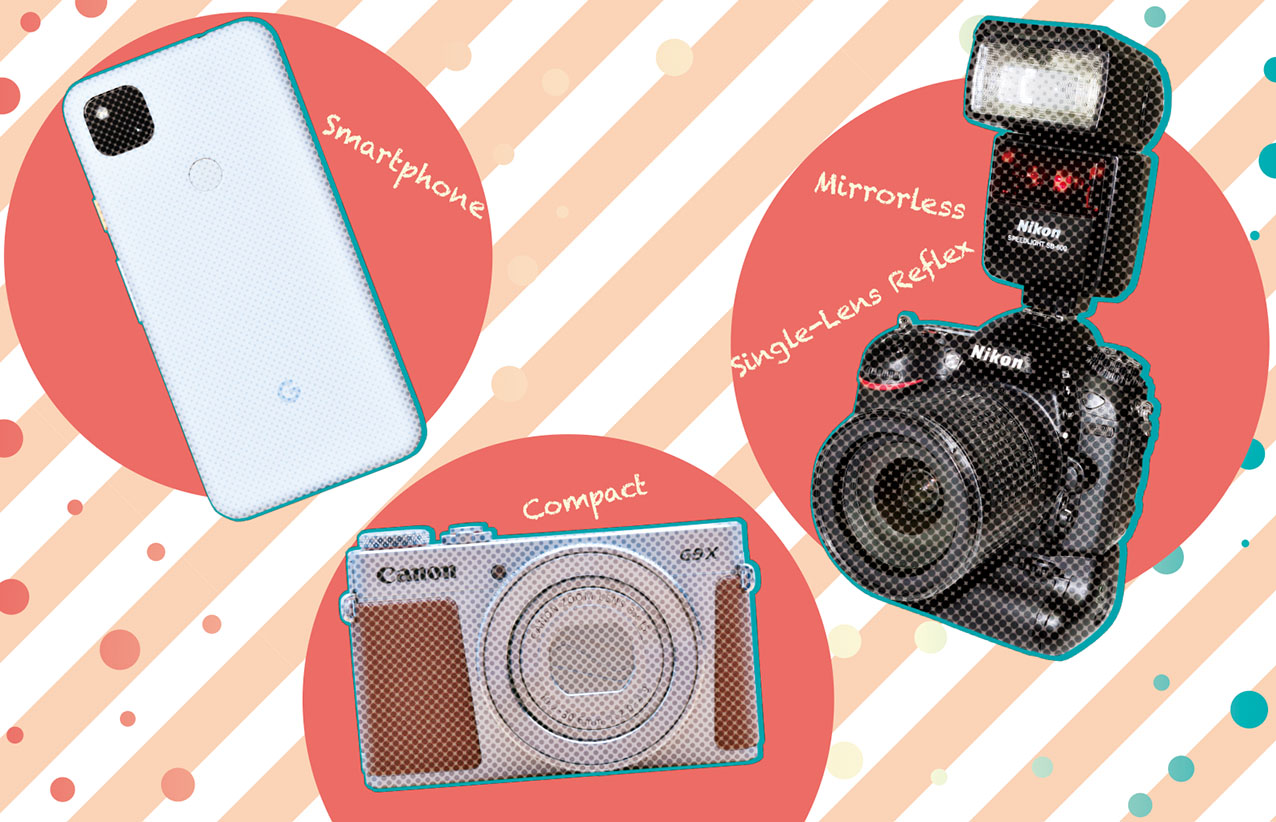
Everyone, are you enjoying the Koi show? Entries require an entry form, and the entry form requires a photograph. So, as people who have taken more Koi photographs than we know what to do with, we’re going to share some simple tips on how to take beautiful photos using three types of camera: SLRs, compact cameras and smartphones. We’ve kept the technical jargon to a minimum and provided a fairly broad overview of the basics. Once you’ve got the hang of it, why not try applying these techniques to other situations, building on the methods we’ve introduced here?
Recently, everyone—particularly the koi dealers—has become very skilled at photography. Camera performance is also improving all the time. It’s not uncommon to see dealers standing right next to us—who are using models that are five or ten years old—with high-end cameras costing hundreds of thousands of yen slung around their necks. It’s a far cry from the days when simply pointing a bulky camera at a Koi was enough to give off a professional air…
That aside, take the 1st place winner at the All Japan Nishikigoi Show, for example. Photographs from the entry forms for 1st place and below at national competitions are published in magazines, and the quality has improved remarkably compared to ten years ago.
On the other hand, I still come across photographs that leave me speechless. ‘Is this really good enough for 1st place?’ ‘I can’t even tell what breed this is…’ ‘I feel like I saw this photo last year too…’—there’s a whole range of issues.
This feature stems from a genuine desire: ‘I want everyone to get better at photography!’ and ‘I want you to find even more fulfilment in keeping Nishikigoi!’ It’s certainly not because Mr ●● from the koi shop asked me to do it. Having better-quality photos on entry forms benefits us too. After all, we want to publish the most beautiful photos possible to enhance the magazine’s quality. Surely you’d all like to see beautiful photos as well?
Specifically, I’ll be explaining how to take photos using three types of camera: ‘SLR cameras’, ‘compact cameras’ (compact digital cameras) and ‘smartphones’. I’ll keep the technical jargon to a minimum. The theme here is simply to ‘take reasonably good photos’ for your entry forms and growth records. Please bear in mind that, particularly with compact digital cameras and smartphones, you won’t be able to take photos of Koi that surpass those taken with an SLR camera, so please accept that.
Some of you who are already skilled at photography might find parts of this that differ from your own approach. As long as your photos turn out well, that’s perfectly fine. There isn’t just one way to take a photo, so please just keep this in the back of your mind as a reference—thinking, ‘Oh, so there’s another way to do it’.
Also, for us, it doesn’t end with taking the photo; we always use image-editing software to make various adjustments, but I won’t be covering how to do that here. It requires software (which may be paid), a computer, and the skills to use them effectively. If necessary, please teach yourself.
Image editing is important. However, my policy is: ‘Take good photos on the spot!’ If you adopt the mindset that you can fix anything later through editing, you’ll never improve. This is something I hammer home to newcomers time and time again.
● The Basics of Photographing Koi
Before we discuss specific camera settings… There are some common points you must bear in mind, regardless of the camera you use. These are: (1) the angle at which you position the camera relative to the Koi, (2) the direction you face the Koi, and (3) the size of the Koi within the frame.
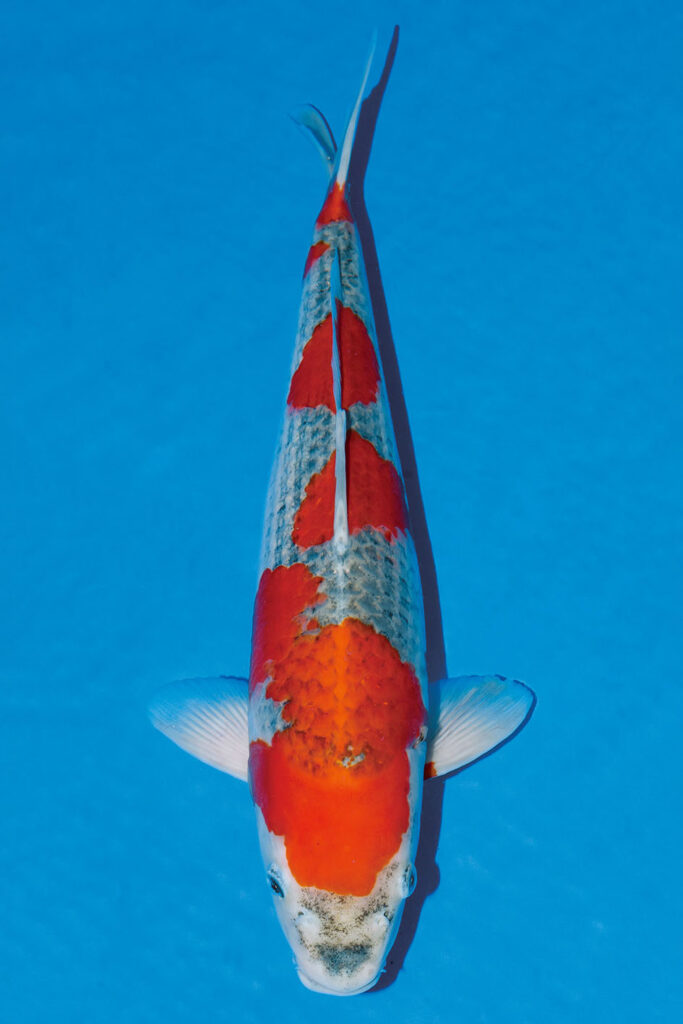
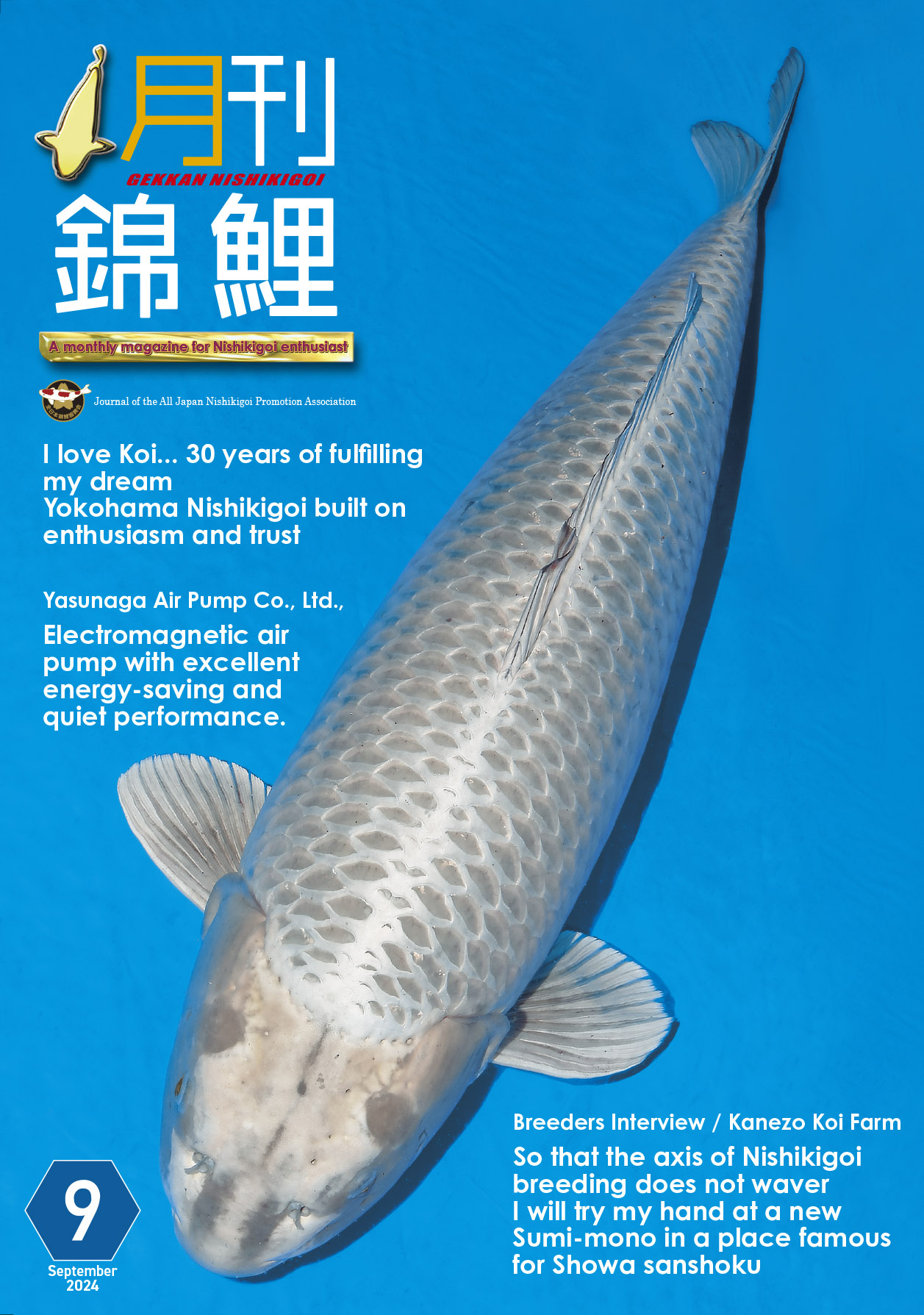
(M mode, 1/250 sec, f/16, using a tarp tent)