Sri Lanka Nishikigoi Report/Daichi Yanagimura (KINDAI JAPAN Co., Ltd.)
A Rearing Contest and
the Current State of the Sri Lankan Nishikigoi Market
A rearing contest hosted by KOI TSU AQUA, the only member of the All Japan Nishikigoi Promotion Association in Sri Lanka, was held, and Daichi Yanagimura, President of KINDAI JAPAN Co., Ltd., traveled there to serve as a judge. This report covers the contest along with the latest state of Nishikigoi culture and the market in Sri Lanka, as seen through visits to Nishikigoi dealers and hobbyists’ homes. (Dates: July 4–5, 2026)
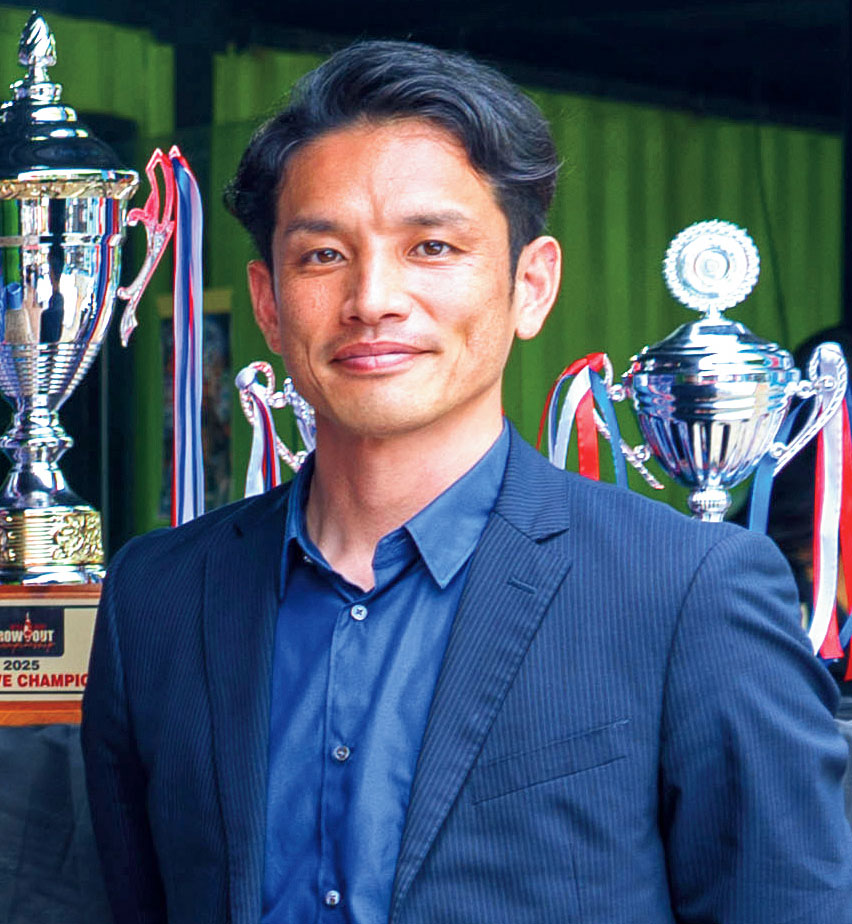
Daichi Yanagimura, President of KINDAI JAPAN Co., Ltd.
From 2009 to 2011, he taught Nishikigoi production techniques in Sri Lanka as a Japan Overseas Cooperation Volunteer with the Japan International Cooperation Agency (JICA). He has since visited regularly, supporting the development of Nishikigoi culture through lectures and other activities. In July 2026, he joined the All Japan Nishikigoi Promotion Association as KINDAI JAPAN Co., Ltd., and is currently working to promote Nishikigoi in Sri Lanka, South Asia and the Middle East.
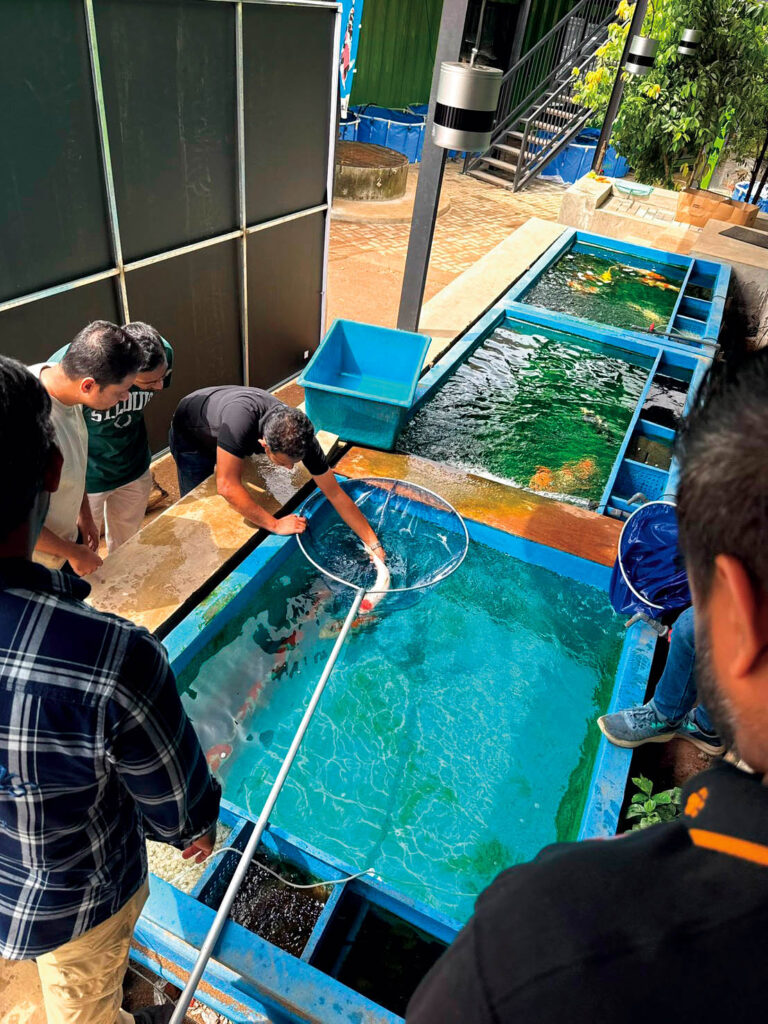
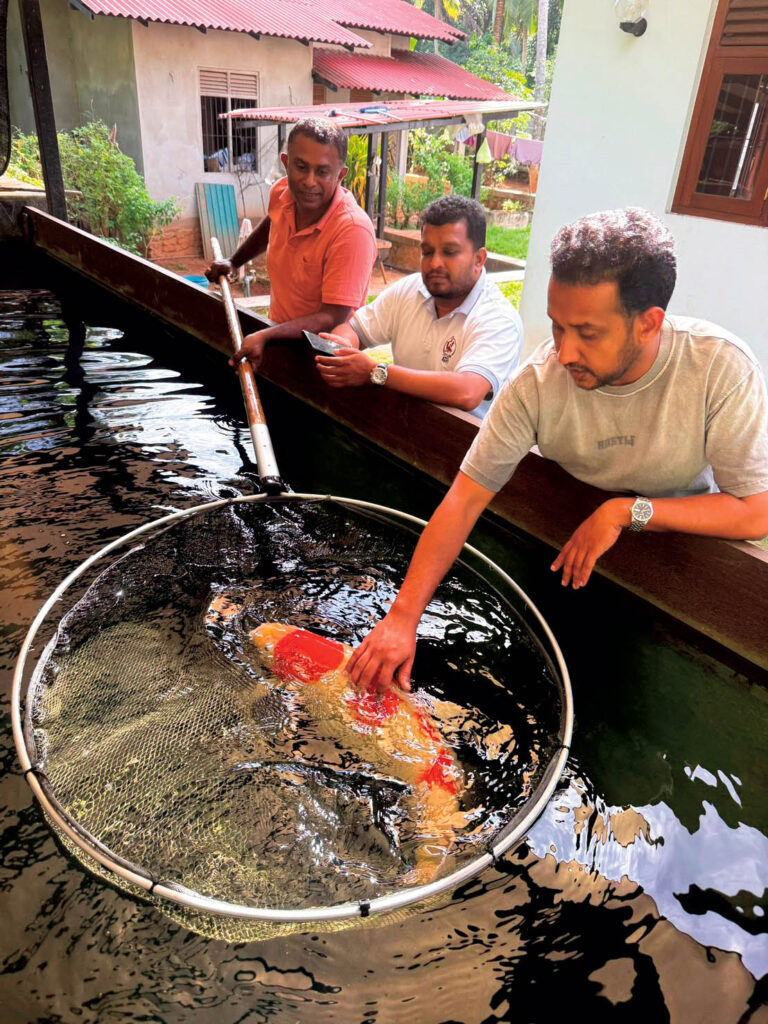
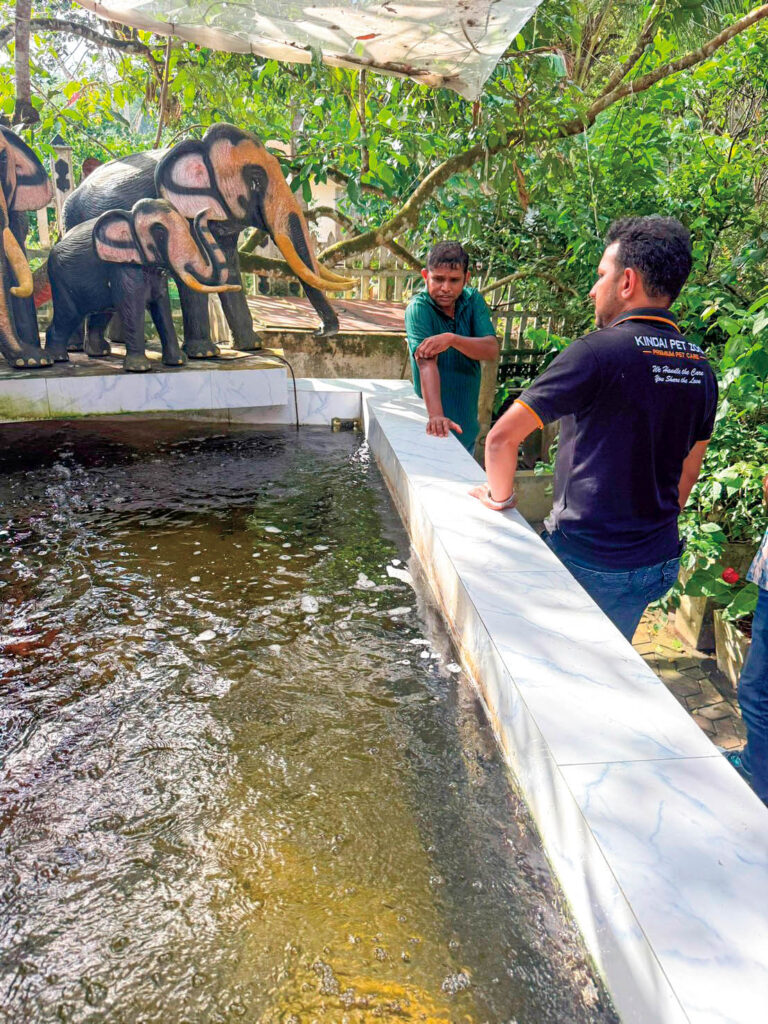
The rearing contest hosted by KOI TSU AQUA, the only Association member in Sri Lanka, was held at “KINDAI PET ZOO” in Kottawa, located about 21 km southeast of central Colombo, Sri Lanka’s former capital and largest city. The event was sponsored by JAPAN PET DESIGN CO.,LTD., with local dealers IS CEYLON KOI and YAMAKOSHI KOI assisting with its operation.
The koi entered that day were Kohaku and Showa Sanshoku (bred by Sakai Fish Farm, Dainichi Koi Farm and Dainichi Koi Farm Toyota Branch) that had been sold as Tosai last spring and raised by each hobbyist at home for about a year. There were only nine entries—by no means a large number—but even though this was the first attempt, many enthusiastic hobbyists showed interest and took part.
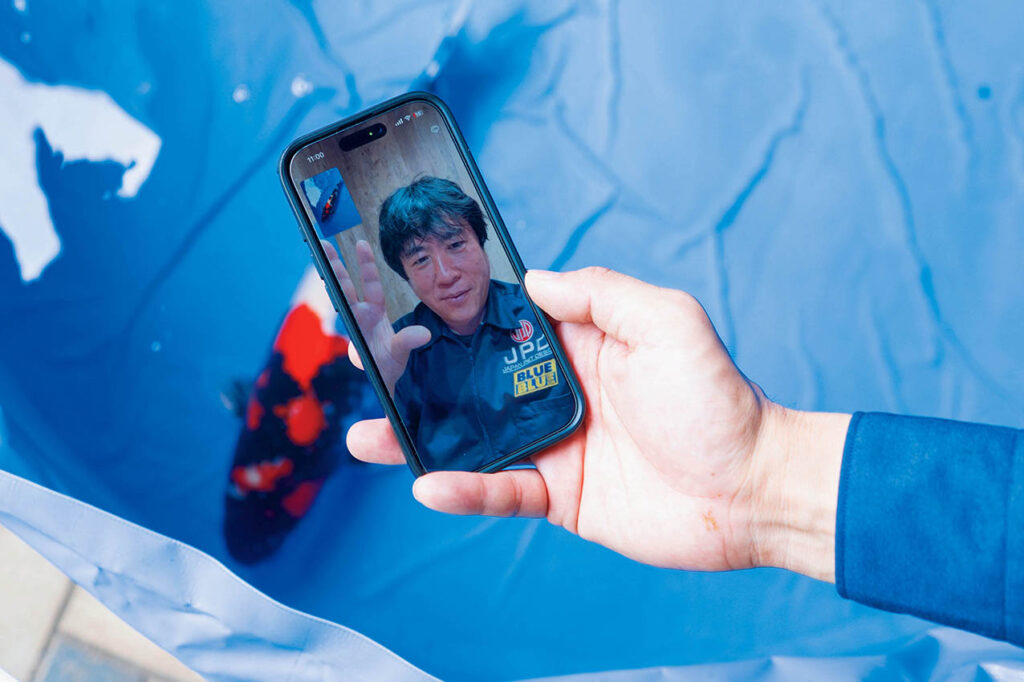
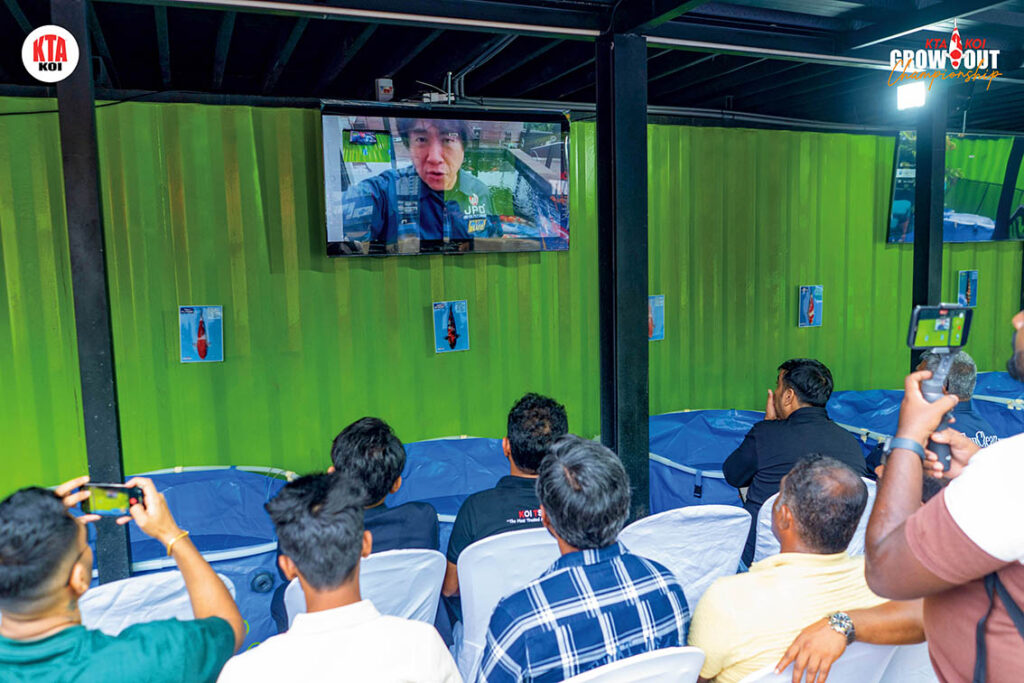
The judging was carried out by myself and Mr. Ryuichi Yoshida, President of JAPAN PET DESIGN CO.,LTD., who participated online, and a total of eight awards were selected.
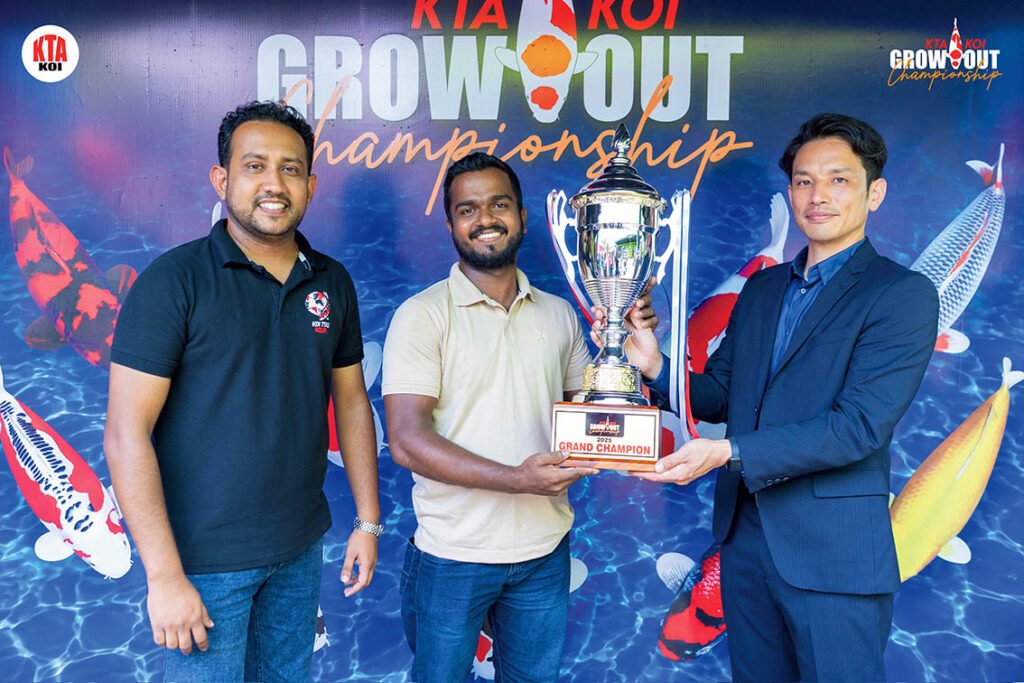
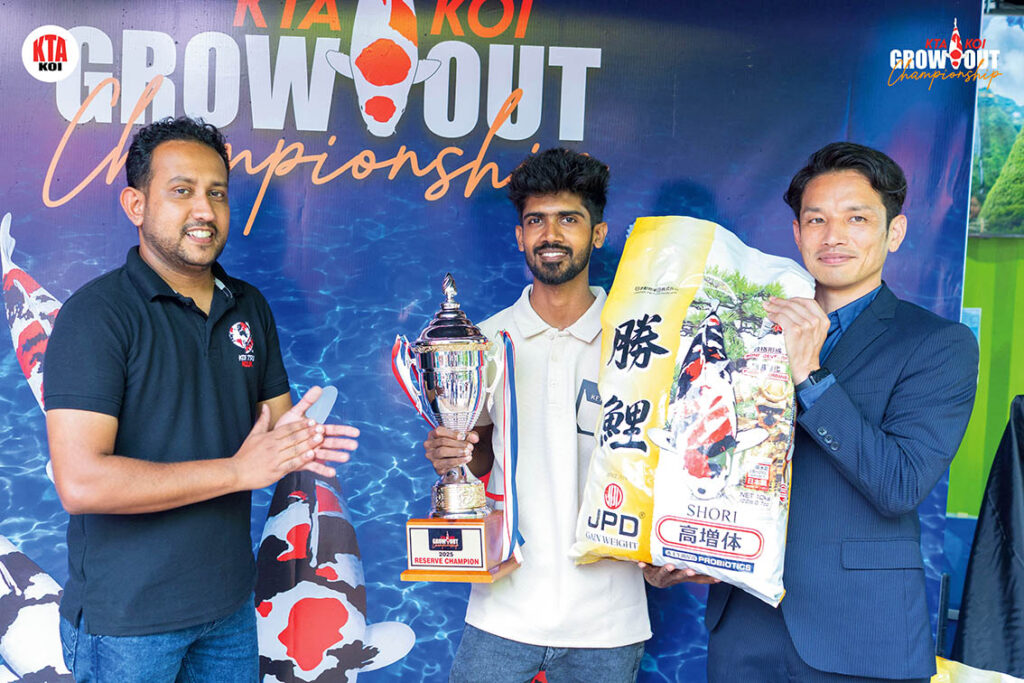
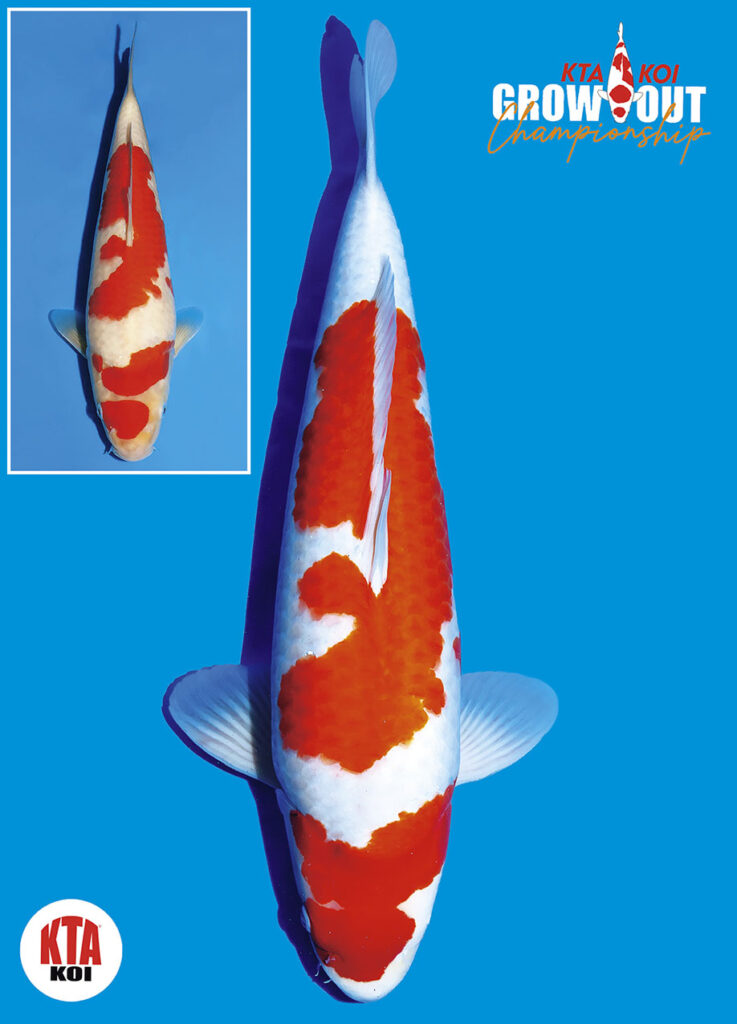
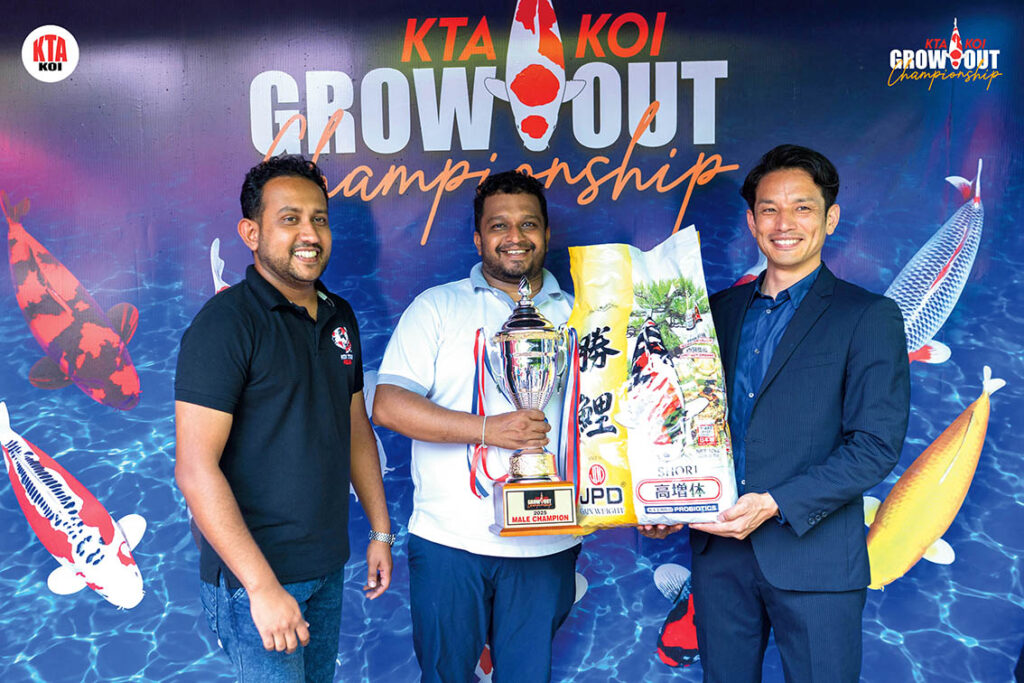
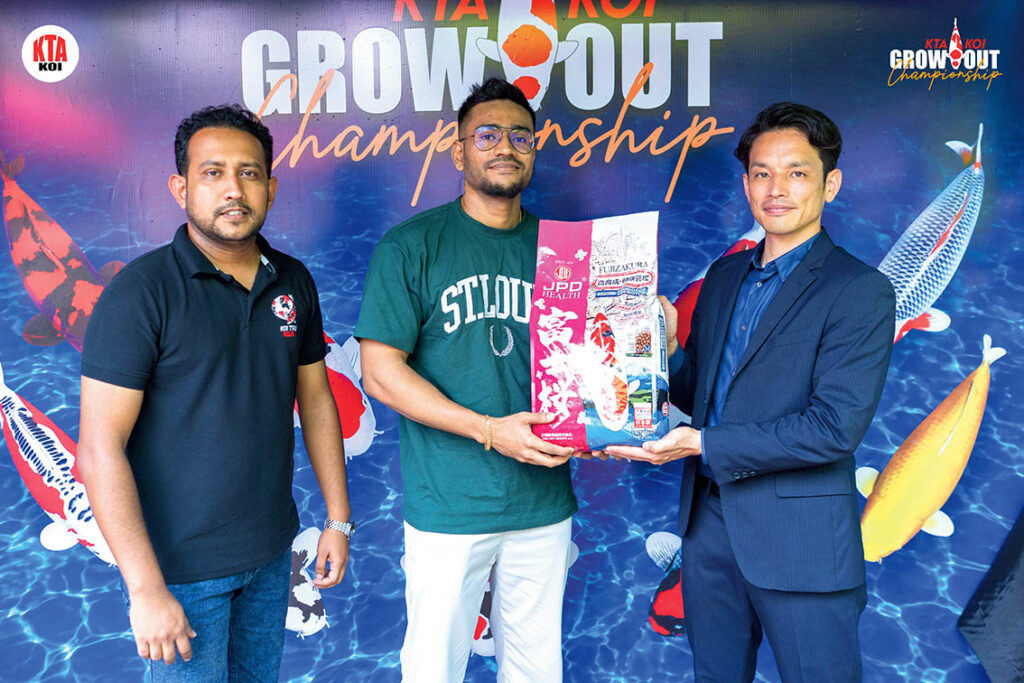
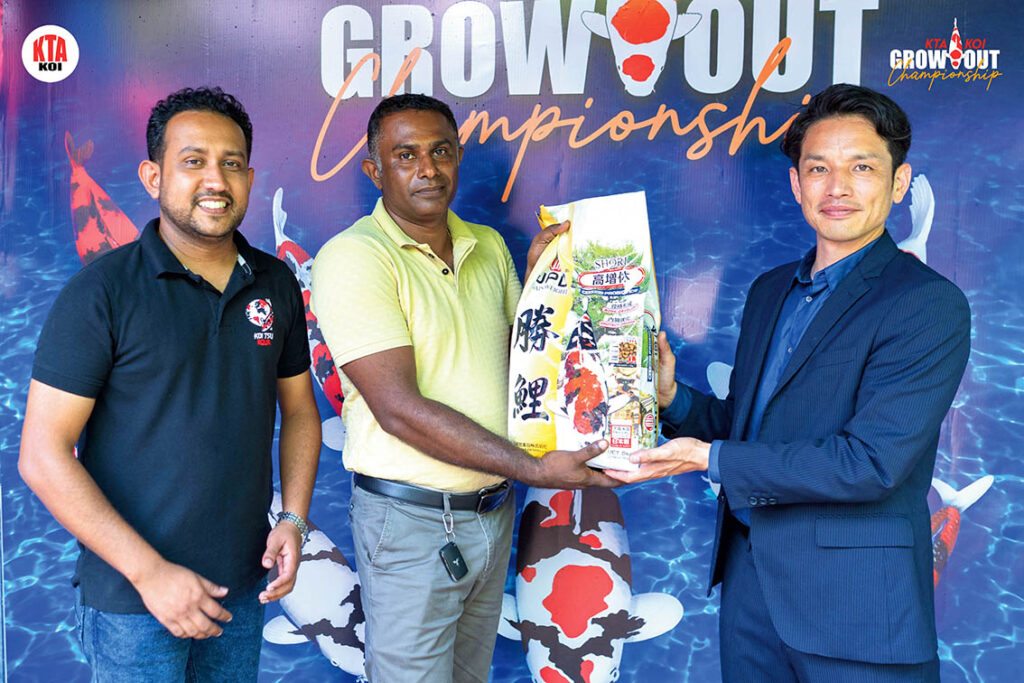
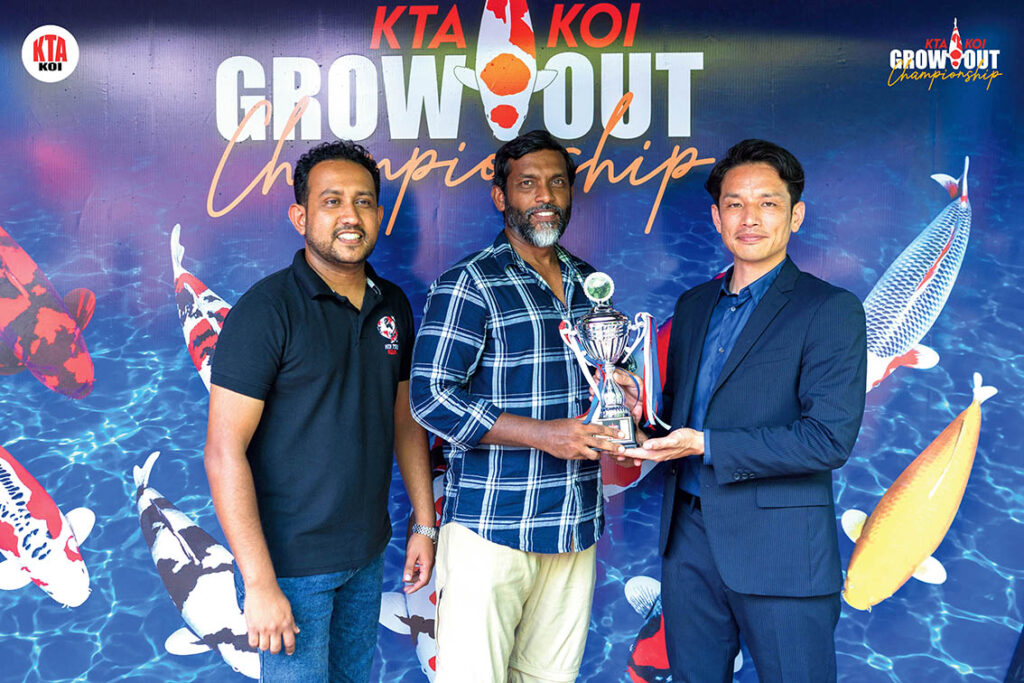
The Grand Champion title went to a Showa Sanshoku bred by Dainichi Koi Farm, Grand Champion Runner-up to a Kohaku bred by Sakai Fish Farm, and Male Champion to a Kohaku bred by Dainichi Koi Farm. The Best in Varieties awards for Kohaku and Showa Sanshoku both went to fish bred by Dainichi Koi Farm Toyota Branch, and the Best Growth Award to a Kohaku bred by Sakai Fish Farm. In addition, Mr. Yoshida’s Tategoi Prize went to a Showa Sanshoku bred by Dainichi Koi Farm, and each winner received Nishikigoi feed. I also selected a Showa Sanshoku bred by Dainichi Koi Farm for the Judge’s Special Prize.
At the awards ceremony, following his review of the judging, Mr. Yoshida explained the equipment of the 30-ton pond at his home. Participating hobbyists asked many questions about types of feed, feeding frequency and rearing equipment, and he answered each one carefully, using videos, which made for a very meaningful time.
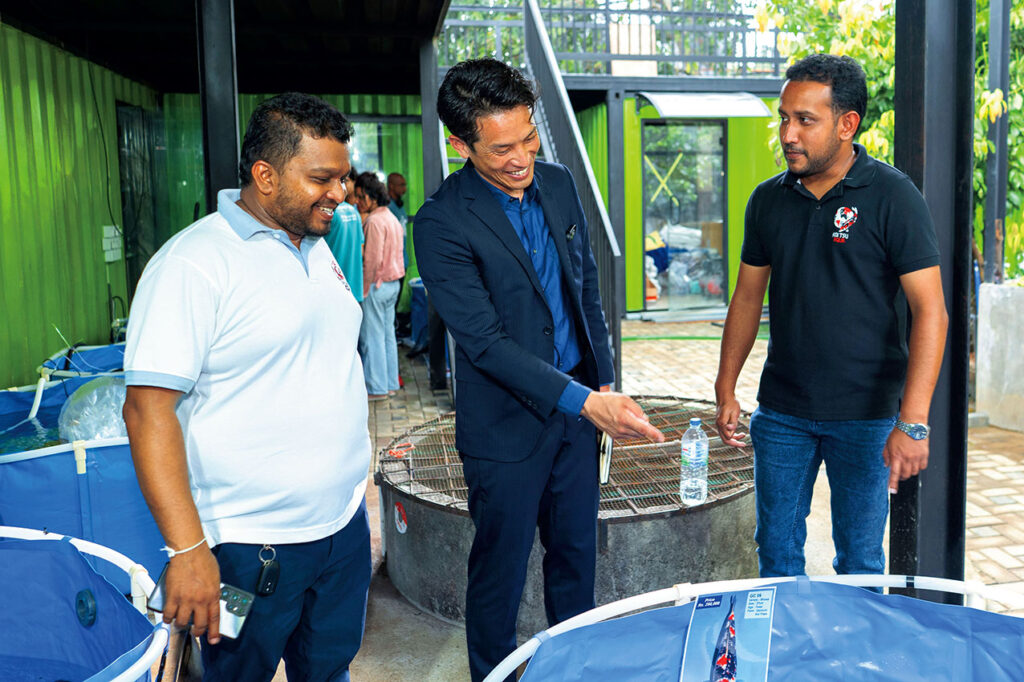
Mr. Charitha Ranasinghe (KOI TSU AQUA)
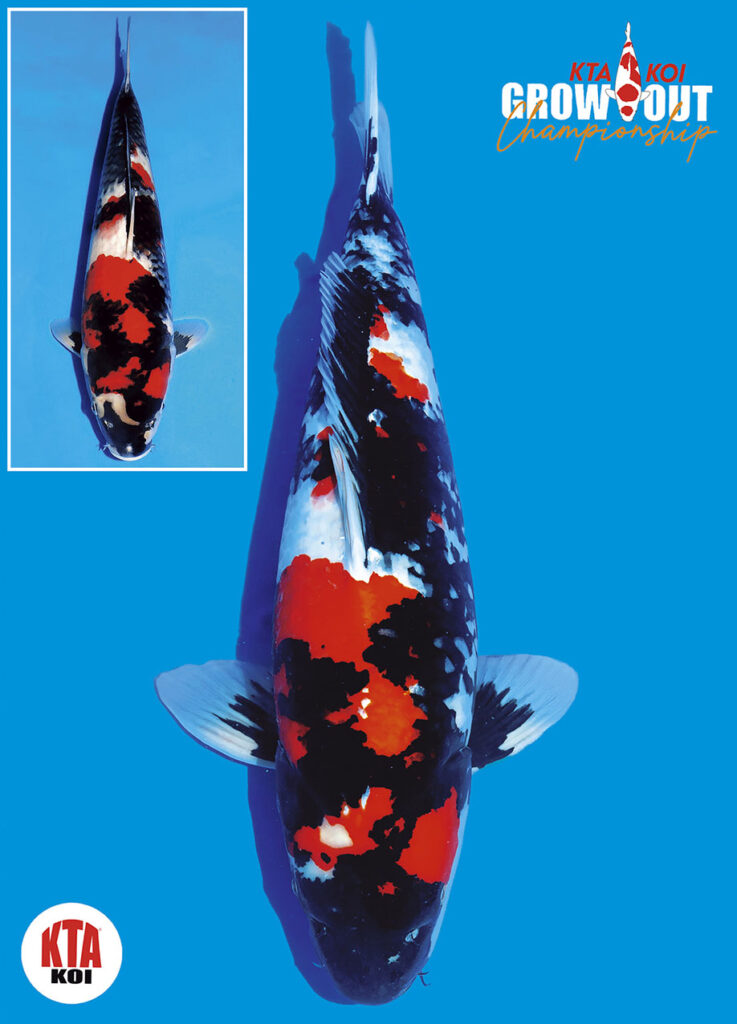
Bred by Dainichi Koi Farm
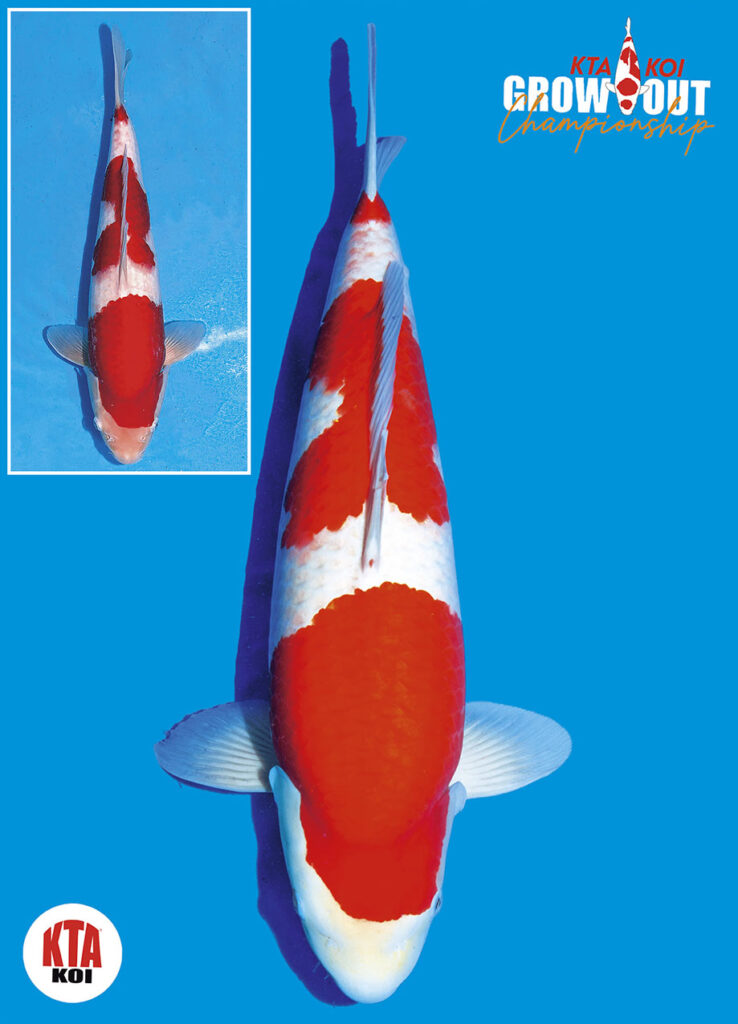
Bred by Sakai Fish Farm
Bred by Dainichi Koi Farm
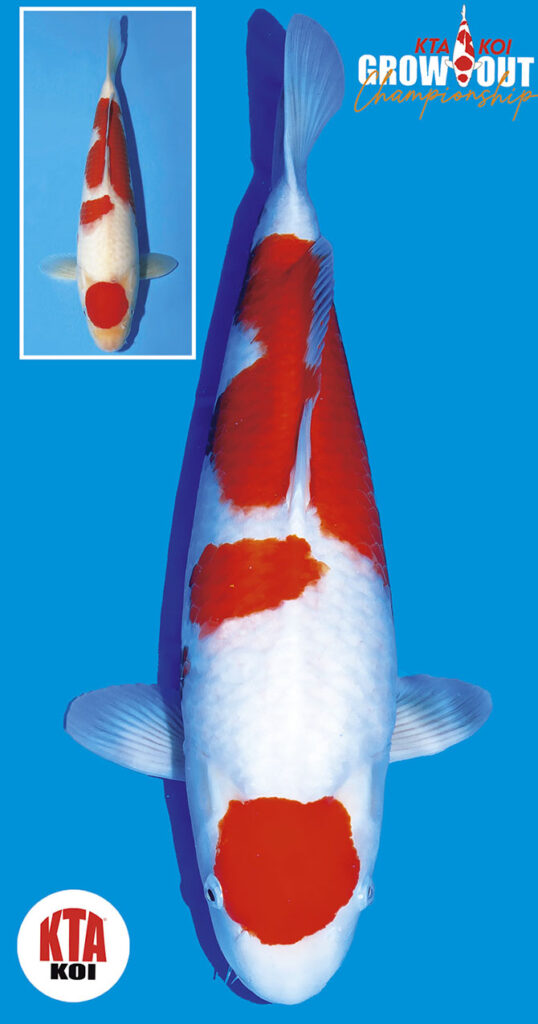
Bred by Dainichi Koi Farm
Toyota Branch
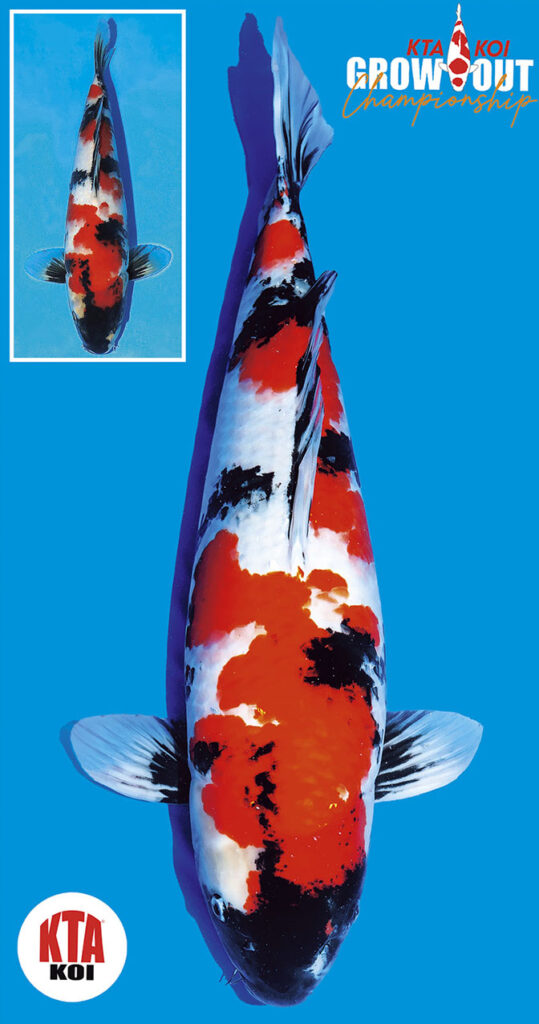
Showa Sanshoku
Bred by Dainichi Koi Farm
Toyota Branch
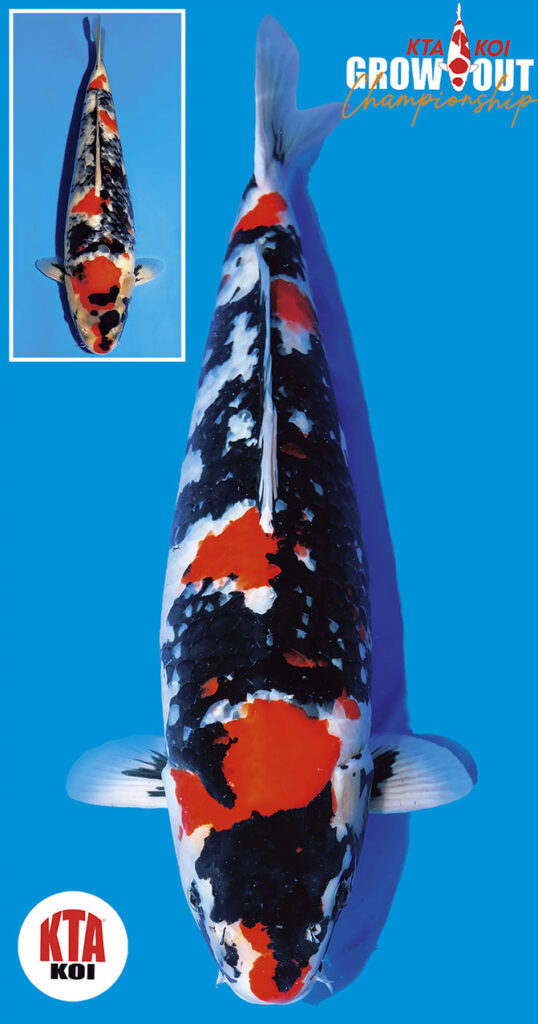
Special Prize
Bred by Dainichi Koi Farm
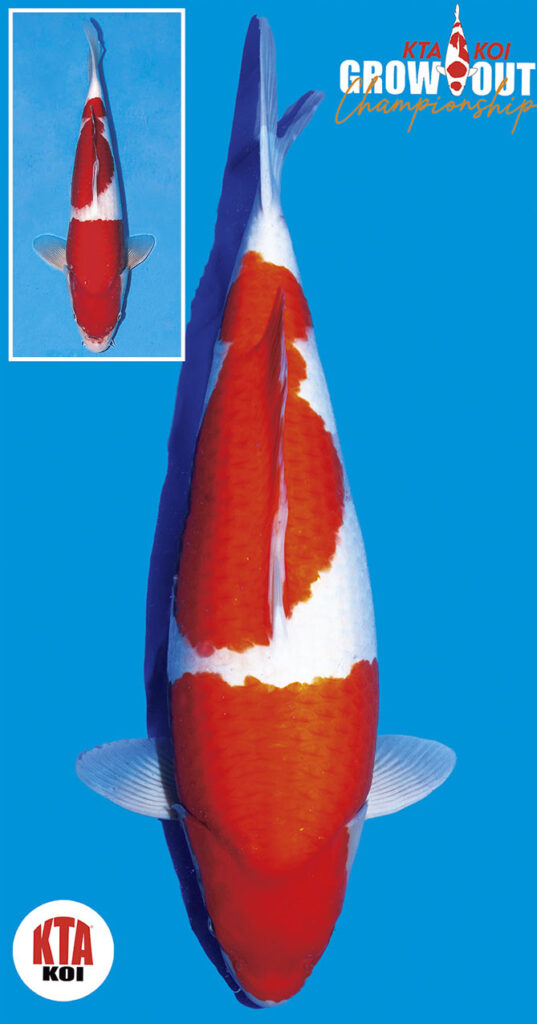
Bred by Sakai Fish Farm
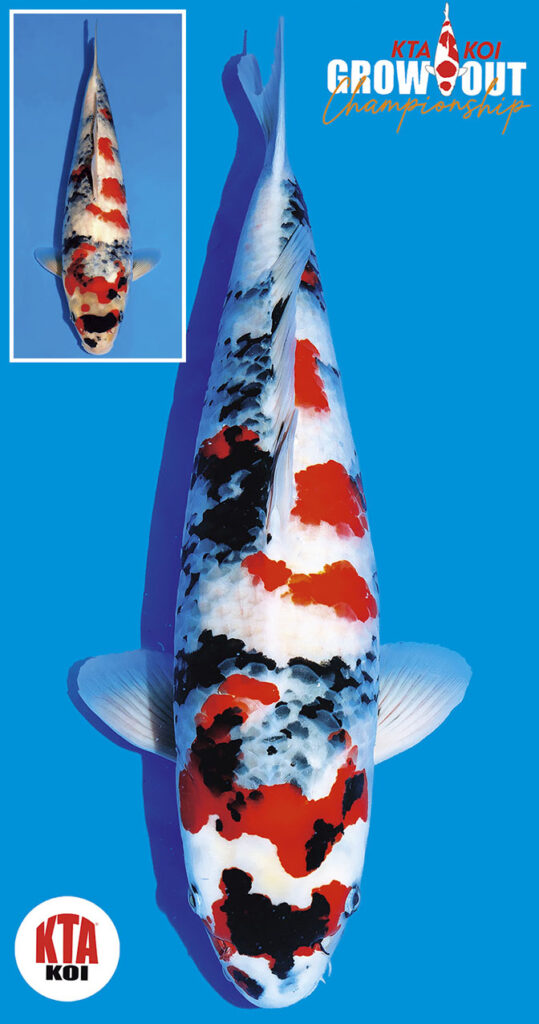
Bred by Dainichi Koi Farm
What left a particularly strong impression on me during this visit was the improvement in Nishikigoi rearing techniques in Sri Lanka and the passion of the hobbyists.
Previously, my impression had been that koi looked their most beautiful right after being imported, and that quite a few of them lost color and luster as they grew, or lost their body shape and became thin.
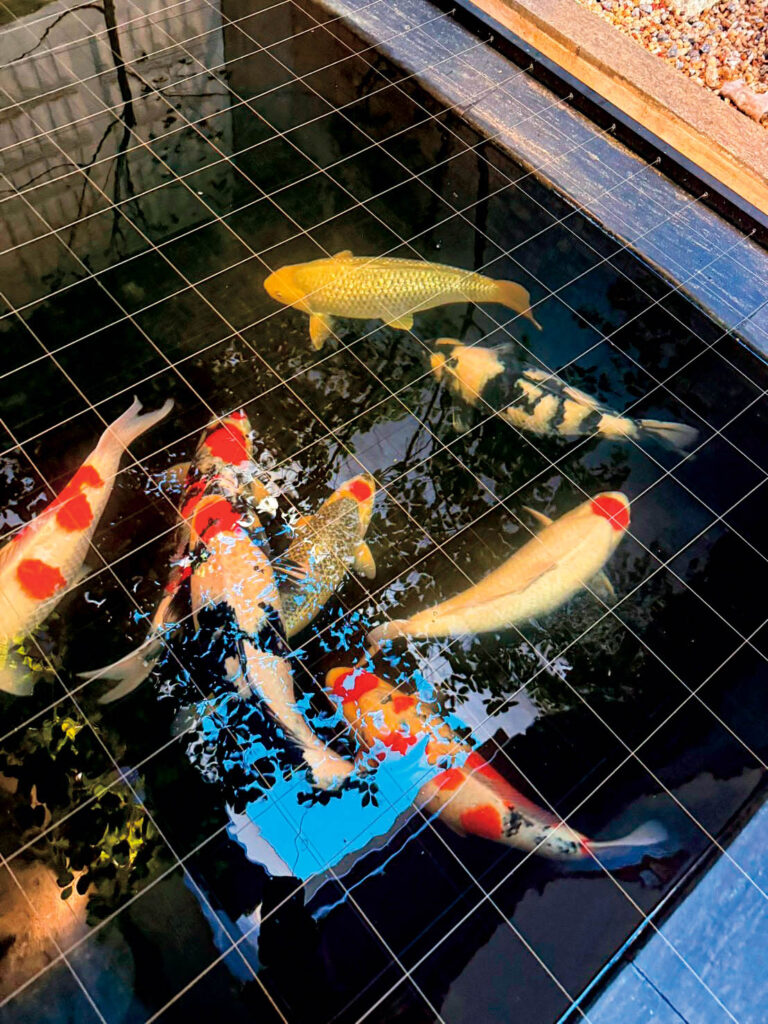
This time, however, that impression changed dramatically. The overall level of the rearing environment—pond design, filtration equipment, water quality management, types of feed and so on—has steadily improved, and many Nishikigoi were growing healthily, maintaining vivid colors while fully bringing out their inherent potential.
Visiting the show and hobbyists’ homes and seeing many Nishikigoi, I got the impression that the rearing environment overall is one in which Sumi comes out readily. In Shiroutsuri and Showa Sanshoku in particular, strong, sharp Sumi was appearing in every pond, which I found very interesting.
Beyond rearing techniques, I was also deeply impressed by the way the hobbyists devote their time and passion unsparingly to each individual fish. I felt that this accumulated effort underpins the improvement in Nishikigoi quality, and that Nishikigoi culture in Sri Lanka is steadily maturing.
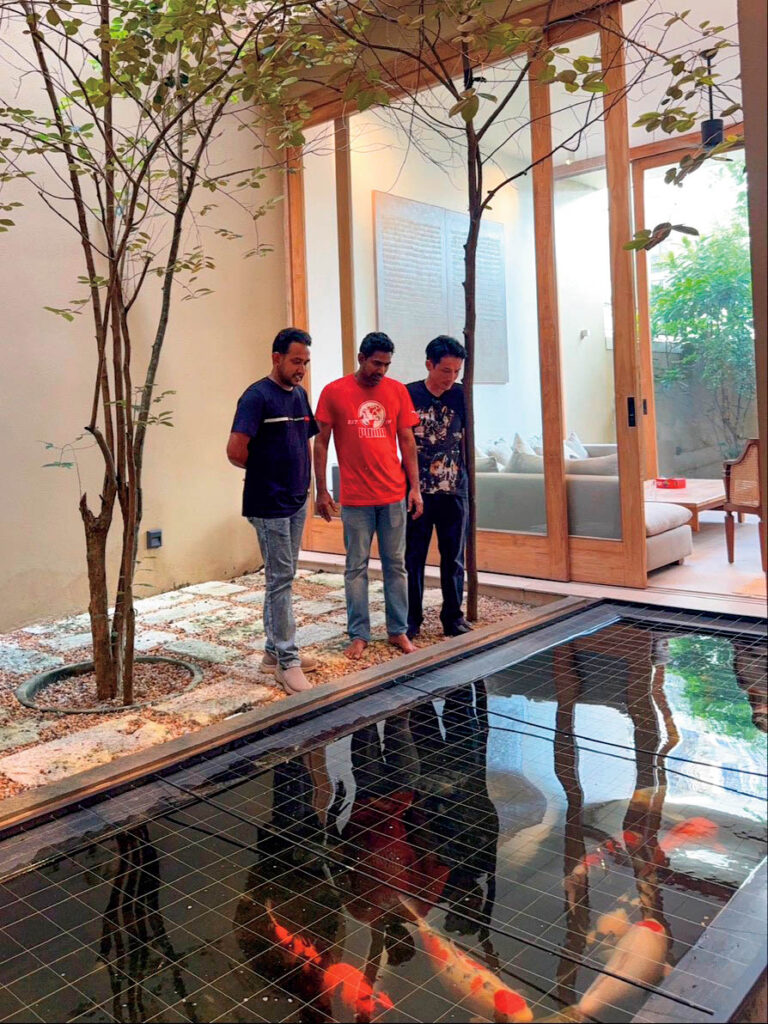
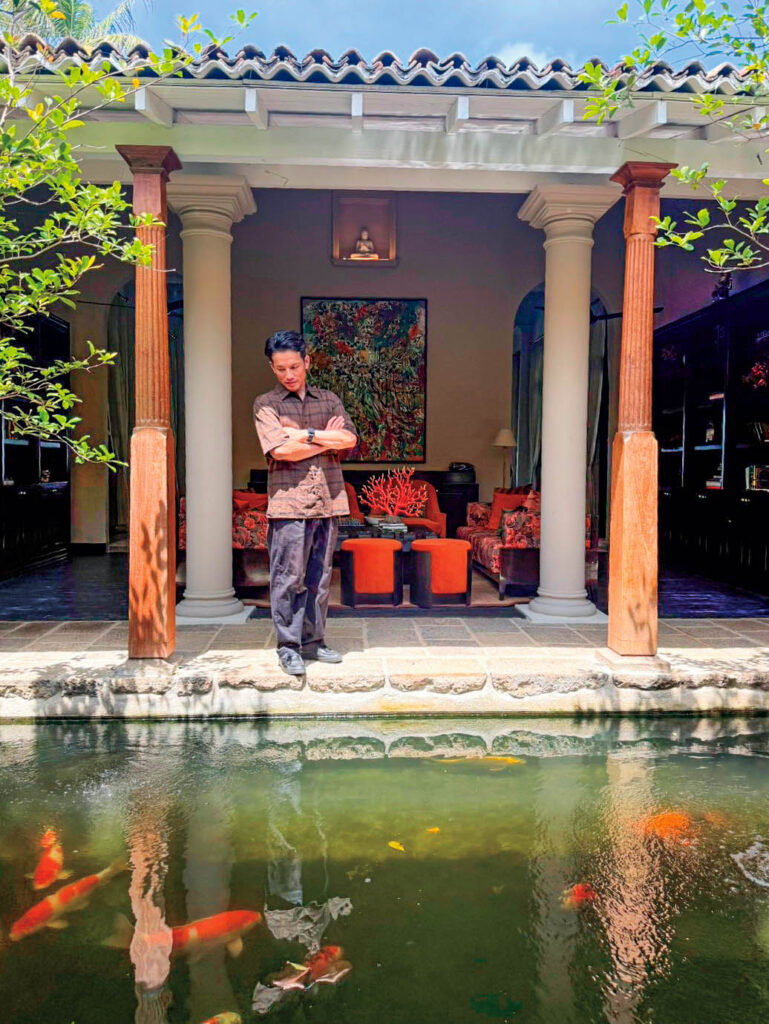
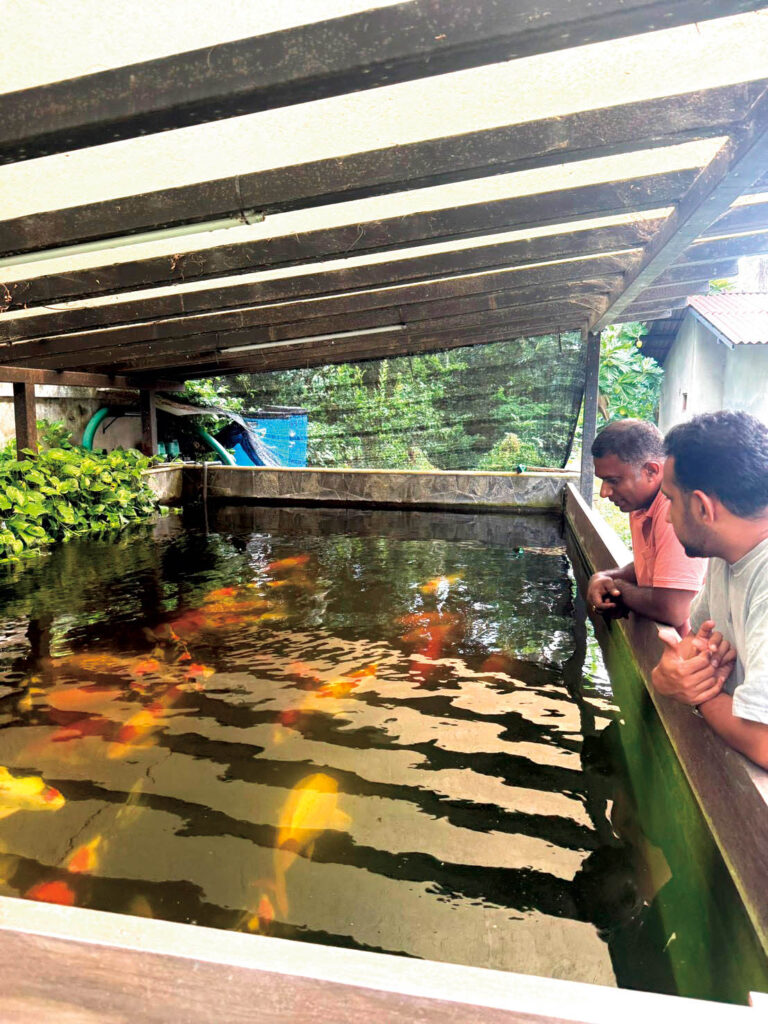
Furthermore, when visiting hobbyists’ homes, I was able to see spaces where Nishikigoi harmonized beautifully with South Asian modern architecture, including Bawa architecture, known as a distinctive Sri Lankan style of modern architecture. Swimming gracefully through refined buildings that skillfully make use of concrete, stone, water and greenery as well as natural materials, the Nishikigoi were not merely ornamental fish but a presence that shapes the space itself, creating stylish and beautiful landscapes.
On the other hand, I heard that from an architectural point of view, Nishikigoi ponds are often avoided for reasons of design and equipment. Filtration equipment and maintenance space in particular are said to make it difficult to balance the pond with the landscape. However, I felt that by working together with architects and designers, these challenges could be resolved while opening up even greater possibilities.
Going forward, I believe that by promoting pond-building that fuses Sri Lankan architectural design with Nishikigoi keeping, and by proposing filtration systems that do not spoil the landscape, great opportunities will arise that lead to new promotional activities and business partnerships.
It has been 17 years since I first came to Sri Lanka as a Japan Overseas Cooperation Volunteer and began promoting Nishikigoi. Compared with those days, the development today is beyond anything I imagined. I look forward to seeing Sri Lanka’s Nishikigoi culture develop even further through various exchanges in the years ahead.